Follonica, Italy
- 21,163 people
- 11 places to visit
- 42.9247, 10.7642
Places to Visit (11)
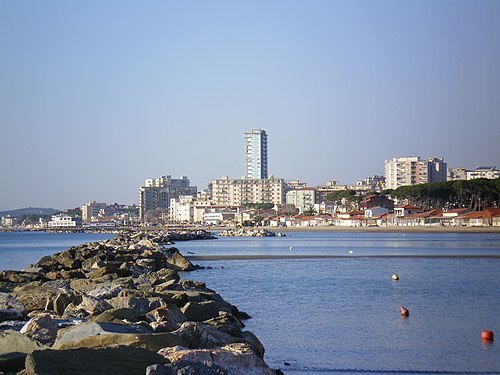
Follonica is a charming coastal town located in the province of Grosseto, in Tuscany, Italy. Nestled along the Tyrrhenian Sea, it is part of the scenic Maremma region, known for its stunning natural landscapes and rich history. The town has a population of approximately 22,000 residents and serves as both a popular tourist destination and a vibrant local community. Follonica's coastline is characterized by beautiful sandy beaches that attract visitors during the summer months, while its mild Mediterranean climate enhances the appeal for year-round tourism. Being part of the larger Riviera degli Etruschi, Follonica is in close proximity to several other historic towns and resorts, making it a convenient base for exploring the region.
Historically, Follonica evolved around the production of iron, particularly during the medieval period, when it became a notable center for metallurgical activities. The town's development was largely influenced by the nearby Elba Island, known for its iron deposits. In the 19th century, Follonica transitioned from an industrial hub to a resort town as the ironworks declined. Today, remnants of its industrial past can still be seen, particularly in the architecture and layout of the town. Important landmarks include the old ironworks that have been preserved and repurposed, and the Parco della Bonifica, a park reflecting the town's historical ties to industry and nature. With a blend of historical significance and natural beauty, Follonica offers visitors a unique experience that highlights both its cultural heritage and modern-day charm. The presence of numerous restaurants, boutiques, and leisure activities further enhances its reputation as an inviting destination for both locals and tourists.
Facts about Follonica
- Follonica is located on the Tuscan coast and is known for its beautiful beaches, making it a popular summer destination.
- The town has a rich industrial history, particularly known for its iron manufacturing and the construction of the 'Fonderia di Follonica,' an important foundry founded in the mid-19th century.
- Follonica hosts one of the largest annual events in Tuscany, the 'Carnevale di Follonica', featuring parades, music, and colorful floats.
- The coastal area surrounding Follonica is part of the larger Maremma region, known for its natural parks and biodiversity, including the nearby Parco Naturale della Maremma.
- Follonica is home to the 'Lago di Burano,' a unique lagoon where you can find various bird species, which showcases the area's ecological significance.
- The historical center of Follonica is characterized by its 19th-century architecture and has preserved many elements from its industrial past.
- Follonica is known for its beautiful pine forests, which are perfect for outdoor activities such as hiking, biking, and picnicking.
- The town has a significant connection to the ancient Etruscans, with archaeological sites and findings in the surrounding area that highlight its historical importance.
- Follonica is part of the 'Costa degli Etruschi,' a stunning coastline that attracts both local and international tourists for its natural beauty.
- The local cuisine in Follonica heavily features seafood, with traditional dishes deeply influenced by its coastal heritage.