Forbach, France
- 21,358 people
- 8 places to visit
- 49.1865, 6.8953
Places to Visit (8)
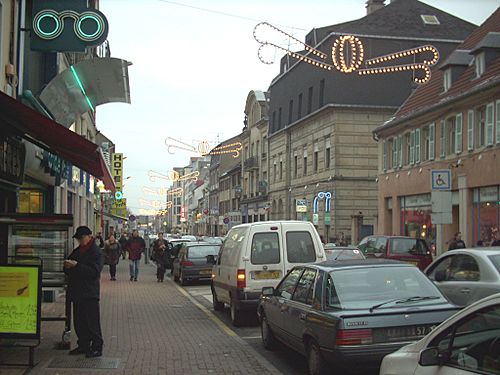
Forbach is a commune located in the Moselle department in the Grand Est region of northeastern France. Situated near the borders of Luxembourg and Germany, Forbach lies approximately 15 kilometers northeast of Saarbrücken, the capital of the German state of Saarland. The town is characterized by its historical significance, industrial heritage, and multicultural influences, stemming from its geographical position at the crossroads of several European cultures. With a population of around 20,000 residents, Forbach is part of the metropolitan area of Metz and plays an essential role in the economic and cultural life of the region.
Historically, Forbach emerged as an important center for coal mining and ironworking during the 19th century, leading to economic expansion and urban development. The town's archaeological sites and landmarks, such as the Château de Forbach, built in the 13th century, reflect its long-standing heritage. This medieval castle played a vital role in the region's defense and served as a residence for various noble families. Forbach's architecture showcases a mix of styles, influenced by its industrial past and modern developments. In recent years, the town has been revitalized, with efforts to promote tourism and cultural events that celebrate its diverse history.
Culturally, Forbach is known for its efforts to foster community spirit and celebrate local traditions. The town hosts various festivals throughout the year, including music and art events that draw residents and visitors alike. Additionally, Forbach is home to several parks and recreational areas, offering outdoor activities for families. The population reflects the broader European context, with a blend of languages and customs enriching the local culture. With its historical significance, economic evolution, and vibrant community life, Forbach presents a unique portrait of a French town that continues to adapt while honoring its past.
Facts about Forbach
- Forbach is located in the Moselle department in northeastern France, near the border with Germany, making it part of the cross-border region known as Lorraine.
- The town has a rich industrial history, particularly in coal mining, which played a significant role in its development during the 19th and early 20th centuries.
- Forbach is home to the Château de Forbach, a medieval castle that dates back to the 13th century and offers panoramic views of the surrounding landscape.
- The town features the notable Saint-Remy Church, which showcases beautiful Gothic architecture and is a key highlight of Forbach’s cultural heritage.
- Forbach has a unique diplomatic history as it was once part of Prussia after the Franco-Prussian War in 1871 and returned to France after World War I in 1918.
- The local economy experienced significant transformation after the decline of mining, shifting towards diversified small and medium enterprises and services.
- Forbach hosts the annual Carnival of Forbach, a vibrant celebration that attracts visitors with its colorful parades and festivities, reflecting local culture.
- One of the main educational institutions in Forbach is the Lycée Jean-Pierre Melville, known for its emphasis on vocational training and academic excellence.
- Forbach is situated along the canal that connects the Moselle River, enhancing its accessibility and contributing to its historical role in trade.
- The town's location allows for easy access to natural parks and hiking trails in the nearby Vosges mountains, making it a hub for outdoor activities.