Formigine, Italy
- 34,328 people
- 19 places to visit
- 44.5727, 10.8477
Places to Visit (19)
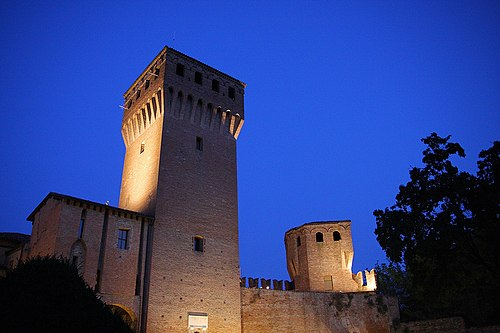
Formigine is a charming municipality in the province of Modena, located in the Emilia-Romagna region of northern Italy. Situated approximately 10 kilometers southwest of Modena, it boasts a picturesque landscape characterized by rolling hills and lush greenery. The town has a rich history that dates back to the Roman era and features several historical landmarks, including the notable Formigine Castle, which was built in the 14th century. This castle, originally a defensive structure, showcases a blend of medieval and Renaissance architectural styles and serves as a symbol of the town's heritage.
With a population of around 16,000 residents, Formigine is known for its vibrant community and lively atmosphere. The economy is predominantly driven by small and medium-sized enterprises, focusing on manufacturing and artisanal products. The local cuisine reflects the culinary traditions of Emilia-Romagna, renowned for its rich flavors and high-quality ingredients. Residents and visitors alike enjoy traditional dishes such as tortellini and gnocco fritto, best complemented by the region's excellent wines, like Lambrusco. Moreover, the town hosts various cultural events and festivals throughout the year, emphasizing its commitment to preserving local traditions and fostering community engagement.
Formigine is also well-regarded for its commitment to sustainability and green initiatives. The municipality has developed several parks and recreational areas, promoting outdoor activities and environmental conservation. Additionally, its strategic position allows for easy access to nearby cities, facilitating economic exchanges and tourism. This blend of historical charm, community spirit, and modern sustainability practices makes Formigine an appealing destination for both residents and visitors, embodying the cultural richness and beauty that characterize Emilia-Romagna.
Facts about Formigine
- Formigine is known for its impressive medieval castle, Castello di Formigine, which dates back to the 10th century and is distinctive for its well-preserved architecture and historical significance.
- The town is located near Modena and is part of the Emilia-Romagna region, which is renowned for its culinary traditions, particularly balsamic vinegar, and Formigine actively participates in local food festivals.
- Formigine features a unique combination of natural landscapes and cultural heritage, including parks and oases that provide a habitat for diverse flora and fauna, differentiating it from more urbanized areas.
- The annual 'Festa della Musica' held in June showcases local musical talent and engages the community in a celebration of music, which is a unique cultural event compared to many other Italian towns.
- Formigine is home to several important churches, including the 15th-century Church of San Bartolomeo, which stands out for its artistic heritage and contributions to the town's historical identity.
- The town's local economy has been characterized by a mix of small and medium-sized enterprises, especially in manufacturing and ceramics, reflecting a unique industrial heritage that contributes to its distinct economic landscape.
- Formigine has a rich history of producing high-quality porcelain and ceramics, setting it apart from other towns in the region, and is known for having several local pottery workshops that continue this tradition.
- The town hosts the Parco della Repubblica, a large public park that features art installations and hosts various community events, providing a gathering space that enhances communal life and culture.
- Formigine is located along the Via Emilia, an ancient Roman road, which historically made it a strategic location for trade and travel, influencing its development over centuries.
- The town has a vibrant artisan community, with several annual markets and fairs that celebrate local crafts and goods, showcasing talents that are often unique to Formigine compared to its neighboring towns.