Formosa, Argentina
- 222,226 people
- 11 places to visit
- -26.1858, -58.1756
Places to Visit (11)
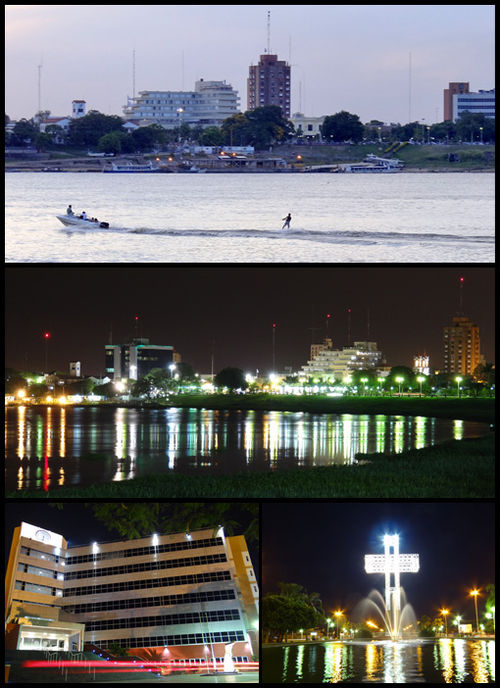
Formosa is a city located in northeastern Argentina, serving as the capital of Formosa Province. Situated along the banks of the Pilcomayo River, which forms part of the border with Paraguay, Formosa is approximately 1,200 kilometers north of Buenos Aires. The city was officially founded on April 8, 1879, by the Argentine Army under the command of General Manuel Obligado. It has a population of around 250,000 residents, making it one of the more populous urban areas in the region. The economy of Formosa is primarily driven by agriculture, livestock, and forestry, with the city also acting as a commercial hub for surrounding agricultural activities.
Formosa’s cultural landscape reflects a blend of indigenous heritage and European influences, evident in its architecture, festivals, and culinary traditions. The city boasts several parks and green spaces, such as the San Martin Park, which offer recreational opportunities for residents and visitors alike. Formosa also features various educational institutions, including universities and technical schools, that contribute to the local workforce. The climate in Formosa is characterized as subtropical, with hot summers and mild winters, which supports a diverse ecosystem in the region. The presence of the Pilcomayo River and nearby wetlands provides essential habitats for wildlife, and the area is known for various species of birds and fish, making it a point of interest for ecotourism.
The city is connected to other parts of Argentina and neighboring countries through a network of roads and highways, enhancing its accessibility. Formosa's strategic location facilitates trade and cultural exchange, particularly with Paraguay, and the city regularly hosts events that celebrate its diverse cultural and historical heritage. Despite facing challenges such as economic fluctuations and environmental issues, Formosa continues to grow and adapt, making it a noteworthy example of urban development in Argentina's northern provinces.
Facts about Formosa
- Formosa is located in the northeastern part of Argentina and is the capital of Formosa Province.
- The city was founded on April 8, 1879, and was initially established as a military stronghold.
- Formosa is known for its strategic location along the Pilcomayo River, serving as a border with Paraguay.
- The city hosts the annual 'Fiesta Nacional de la Guitarra,' celebrating guitar music and Argentine folklore.
- Formosa is home to the 'Cochiguaz,' a unique local tradition involving the observance of ancient native rituals and customs.
- The Formosa wetlands, part of the Pilcomayo National Park, are recognized for their rich biodiversity and are a Ramsar site.
- The city has a unique blend of cultures, influenced by indigenous peoples, Spanish settlers, and immigrant communities.
- Formosa has a distinct tropical climate, leading to lush vegetation and a variety of agricultural products.
- In 2014, Formosa became the first province in Argentina to implement a comprehensive law for environmental protection and sustainability.
- The city's architecture reflects a mix of colonial, modern, and indigenous influences, making it visually unique in the country.