Fort McMurray, Canada
- 66,573 people
- 12 places to visit
- 56.7266, -111.379
Places to Visit (12)
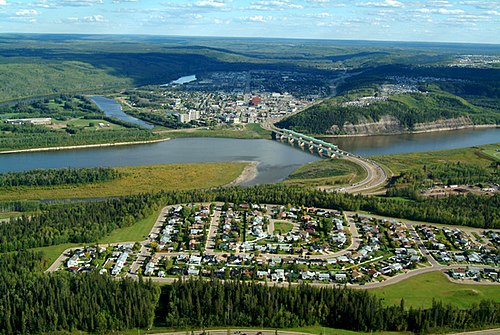
Fort McMurray is a city situated in the Regional Municipality of Wood Buffalo in Alberta, Canada. Located on the Athabasca River, approximately 435 kilometers (270 miles) northeast of Edmonton, it serves as a primary gateway to the vast oil sands reserves of the region. Founded in the late 19th century as a trading post, Fort McMurray has evolved into a bustling community driven largely by the oil and gas industry, which has attracted a diverse population seeking economic opportunities. The city experienced rapid growth in the early 2000s, driven by high demand for oil, which contributed to a significant influx of workers and development of infrastructure, now making it one of the fastest-growing cities in Canada during that period.
Although primarily known for its role in the oil sands industry, Fort McMurray also boasts a rich cultural and recreational landscape. The city is home to various facilities and parks that promote outdoor activities, including hiking, snowmobiling, and fishing, making it a popular destination for those who enjoy nature. Community events, local art exhibitions, and festivals celebrate the city's multicultural heritage, reflecting its diverse population, which includes residents from many parts of Canada and around the world. However, the city has faced challenges, particularly in recent years, including the devastating wildfire in 2016 that resulted in widespread destruction and displacement of residents, prompting significant rebuilding efforts. As Fort McMurray continues to adapt and evolve, it remains a vital hub for the oil industry while striving to foster community resilience and sustainability in the face of environmental and economic challenges.
Facts about Fort McMurray
- Fort McMurray is situated in Alberta, Canada, and is widely recognized as the gateway to the Athabasca oil sands, one of the largest oil reserves in the world.
- The city's name is derived from a fort established in 1870 by the Hudson's Bay Company, which was originally built to serve as a trading post.
- Fort McMurray is part of the Regional Municipality of Wood Buffalo, which encompasses a large area of northern Alberta, making it one of the largest municipalities in Canada by land area.
- The city has a unique history with the 2016 Wildfire, one of the largest in Canada’s history, which resulted in the evacuation of over 80,000 residents and brought national attention to the issue of forest management.
- Home to several indigenous communities, Fort McMurray is rich in Indigenous culture, with events like the annual Fort McMurray Indigenous Peoples Day celebrating this heritage.
- The city hosts the Wood Buffalo Regional Library, which is noted for its extensive collection and community-focused programming.
- Fort McMurray is known for its winter festivals, including the annual Fort McMurray Winter Play and the Multicultural Festival, emphasizing the diverse population and community spirit.
- Fort McMurray's economy is heavily influenced by the oil and gas industry, leading to its designation as a major economic hub in Alberta, with one of the highest average salaries in the country.
- The city features several historical sites, including the Fort McMurray Heritage Park, which provides insight into the region's early history and development.
- Fort McMurray is located near the confluence of the Athabasca and Clearwater Rivers, offering stunning natural landscapes and outdoor recreational opportunities, such as fishing, hiking, and wildlife viewing.