Fort Smith AR, United States
- 88,194 people
- 16 places to visit
- 35.3844, -94.421
Places to Visit (16)
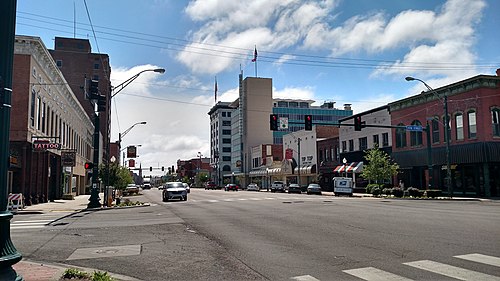
Fort Smith is a city located in the western part of Arkansas, straddling the Arkansas-Oklahoma border. It serves as the county seat of Sebastian County and is the second-largest city in Arkansas, with a population of approximately 87,000 residents as of the 2020 census. Fort Smith's history dates back to its establishment in 1817 as a military outpost at the confluence of the Poteau and Arkansas rivers. It was named after General William O. Butler and was initially intended to protect American settlers in the region from potential conflicts with Native American tribes. The city developed rapidly with the arrival of the military, and it became an essential transport hub during the 19th century due to its location on the Arkansas River and as a gateway to the West.
The city has a rich cultural heritage, influenced by its diverse history, which includes roles in both the American Civil War and the westward expansion of the United States. Fort Smith features several historical sites and museums, such as the Fort Smith National Historic Site, which preserves the remnants of the old fort and the Federal Courthouse, where notable figures like Judge Isaac Parker, known as the "hanging judge," presided over trials during the late 19th century. The city is also home to the Fort Smith Museum of History, showcasing artifacts and narratives that illustrate the region's past. Fort Smith hosts various annual events, including the Riverfront Blues Festival, which celebrates the city’s musical heritage, and other community festivals that strengthen local cultural ties.
In addition to its historical significance, Fort Smith has a diverse economy driven by manufacturing, healthcare, retail, and education sectors. Several major companies, including those in the aerospace and logistics industries, have operations in the area. The city's educational institutions, such as the University of Arkansas at Fort Smith, contribute to workforce development and community engagement. The city’s location provides easy access to outdoor recreational activities, with the nearby Ozark National Forest and the scenic beauty of the Arkansas River appealing to residents and visitors alike. Fort Smith's strategic position, historical depth, and vibrant community make it a unique place within Arkansas, reflecting a blend of both historical reverence and modern growth.
Facts about Fort Smith
- Fort Smith is home to the historic Fort Smith National Historic Site, which preserves the remnants of two military forts and a federal court.
- The city was the location of the Old West's famous Judge Isaac C. Parker, known as the 'Hanging Judge,' who presided over many trials in the late 19th century.
- Fort Smith features the 154-foot tall Fort Smith Trolley Museum, which showcases the city’s historical connection to streetcars in the early 20th century.
- The city celebrates the annual Van Buren Riverfront Blues Festival, which honors the region's rich blues music heritage.
- Fort Smith was a significant stopping point for the historic Butterfield Overland Mail route, aiding in westward expansion and communication.
- The city boasts the largest annual Arkansas-Oklahoma State Line Classic celebration, highlighting local pride and regional culture.
- Fort Smith's Riverfront Park provides a unique mixed-use space that includes historical markers, art installations, and views of the Arkansas River.
- The city is known for the Fort Smith Convention Center, which hosts notable events and has contributed to the city's reputation as a regional hub for conventions.
- In Fort Smith, you'll find the stunning 12-foot statue of the world-famous artist and composer, Scott Joplin, signifying the city's connection to American music history.
- Fort Smith is one of the few cities in the U.S. where you can stand in two states at once, as it borders Arkansas and Oklahoma at the state line.