Fort St. John, Canada
- 20,155 people
- 11 places to visit
- 56.2524, -120.8464
Places to Visit (11)
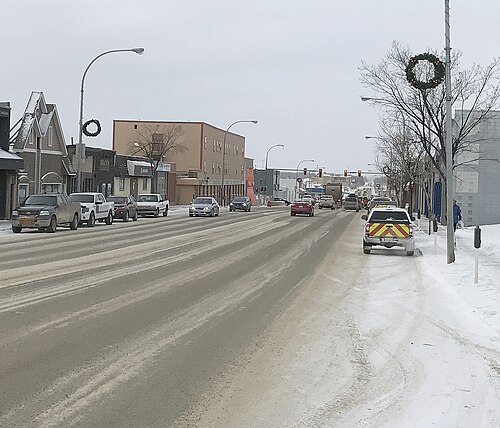
Fort St. John is a city located in northeastern British Columbia, Canada, situated on the Peace River at the confluence of the Peace and Tofield Rivers. Founded in 1796 by the North West Company as a fur trading post, it originally played a critical role in the fur trade industry and was named after a nearby fort established by the company. The city has evolved significantly over the years and was officially incorporated in 1958. Known as the "Energetic City," Fort St. John has established itself as a hub for the oil and gas industry, attracting many workers and businesses related to energy production, including natural gas extraction, which remains a cornerstone of its economy.
With a population of approximately 20,000 residents, Fort St. John offers a blend of modern amenities and small-town charm. The city has developed a diverse economic base beyond its energy sector, including agriculture, forestry, and tourism. The surrounding region is rich in outdoor recreational opportunities, including hiking, fishing, and camping, contributing to the local tourism sector. Fort St. John is also home to several community events throughout the year, such as the annual North Peace Fall Fair and the High On Ice Winter Festival, celebrating the city's vibrant culture and community spirit. The city's strategic location along the Alaska Highway enhances its accessibility and serves as a gateway for travelers heading north, further emphasizing its role as a vital community in Canada's northern landscape.
Education and health services in Fort St. John are well-supported, with various schools, a college campus, and a regional hospital catering to the needs of its residents. The Fort St. John region is also notable for its Indigenous heritage, being located in the traditional territory of the Dane-zaa people. Their culture and history continue to have a significant influence on the community's identity. Overall, Fort St. John is characterized by its resilient spirit, economic diversification, and rich cultural tapestry, making it a unique part of Canada's northern frontier.
Facts about Fort St. John
- Fort St. John is known as the oldest non-Indigenous settlement in British Columbia, established in 1794.
- The city is situated near the Peace River and is a hub for the natural gas and oil industry, often referred to as the 'Energetic City.'
- Fort St. John hosts the North Peace Cultural Centre, which offers a variety of arts and cultural programs, including a gallery and theater.
- The Fort St. John International Airshow is one of the largest airshows in northern British Columbia, attracting aviation enthusiasts from across Canada.
- The city has a unique annual event called the 'Gusher Days,' celebrating the local oil and gas industry with a parade, rodeo, and various competitions.
- Fort St. John is a gateway to the Peace River regional parks, offering access to scenic landscapes, hiking, and outdoor recreation opportunities.
- The city is known for its extreme weather, with temperatures ranging from -30°C in winter to over 30°C in summer, making it one of the most temperature-variable locations in Canada.
- Fort St. John has made significant advancements in renewable energy technologies, including wind and solar power projects, distinguishing itself in the energy sector.
- The city is located on the Alaska Highway, which holds significant historical importance as a military supply route during World War II.
- With over 30 murals throughout the city, Fort St. John has developed a reputation for its vibrant public art scene, contributing to its community identity.