Fort Washington MD, United States
- 23,717 people
- 7 places to visit
- 38.7073, -77.023
Places to Visit (7)
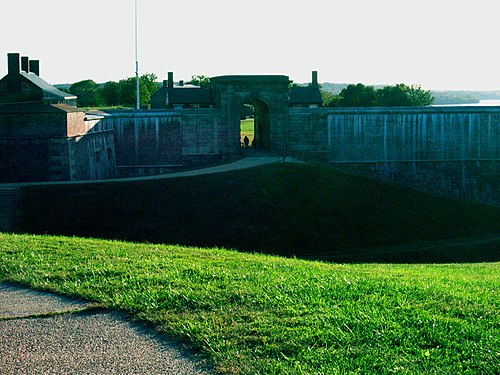
Fort Washington, Maryland, is an unincorporated community situated in Prince George's County, approximately 12 miles southeast of Washington, D.C. The area is known for its significant historical and cultural attributes, having been established in the early 19th century. Its name is derived from Fort Washington, a military installation that was constructed in 1809 to protect the nation’s capital from naval attacks. The fort played a role during the War of 1812 and was decommissioned in 1872. Today, Fort Washington Park, which encompasses the site of the original fort, offers visitors scenic views of the Potomac River and opportunities for recreational activities such as hiking, picnicking, and historical tours.
The community of Fort Washington is primarily residential, characterized by suburban neighborhoods that offer a mix of single-family homes, townhouses, and condominiums. The area is served by several public parks and amenities, contributing to its appeal for families and individuals seeking a peaceful environment with access to urban resources. Fort Washington is also noted for its proximity to the National Harbor and major transportation routes, including Interstate 95 and the Capital Beltway, which provide easy access to the Greater Washington metropolitan area. The local economy benefits from a diverse range of businesses and services, together with a strong sense of community fostered by various events and activities throughout the year. The Fort Washington area embodies a unique blend of history, residential comfort, and proximity to the nation’s capital, making it a desirable place to live and visit.
Facts about Fort Washington
- Fort Washington, MD, is home to the historic Fort Washington Park, which was the first fort built to defend the capital of the United States and played a significant role during the War of 1812.
- The fort itself, originally constructed in 1809, was one of the few military installations in the area during its time and remained active until 1861.
- Fort Washington is located on the banks of the Potomac River, offering stunning views and recreational activities, which are unique features compared to many other cities in the region.
- The community is known for its close proximity to Washington, D.C., yet it maintains a suburban, residential character that distinguishes it from urban centers.
- Fort Washington is part of Prince George's County in Maryland, which has one of the highest concentrations of African American residents in the United States.
- The area features many affluent neighborhoods, including the exclusive and historic Fort Washington Estates, which has roots dating back to the 19th century.
- Unlike many other urban areas, Fort Washington boasts a significant amount of waterfront land and parks, making it a desirable location for outdoor enthusiasts.
- The city hosts the annual Fort Washington Day, a community event that celebrates local history, culture, and recreational opportunities.
- Fort Washington was originally known as 'Mason’s Hill,' named after George Mason, a prominent Virginia planter and politician in the late 18th century.
- The town has a unique blend of history and modern amenities, with historical landmarks such as the Riverside Terrace and various colonial-era sites, providing a glimpse into early American life.