Fort Wayne IN, United States
- 260,326 people
- 19 places to visit
- 41.0793, -85.1394
Places to Visit (19)
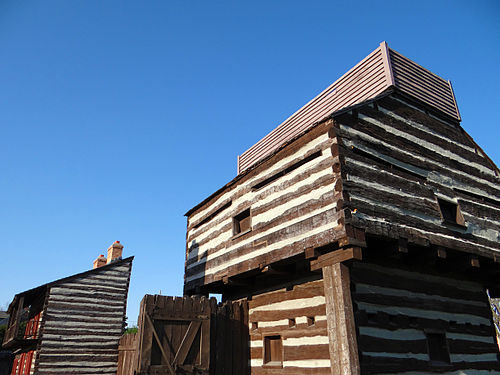
Fort Wayne, Indiana, is the second-largest city in the state, located in the northeastern region, and serves as the county seat of Allen County. With a population of approximately 270,000 residents as of the 2020 census, Fort Wayne combines urban living with a sense of Midwestern charm. The city's founding dates back to 1794, and it was named after General Anthony Wayne, a key figure in the American Revolutionary War. Fort Wayne's strategic location at the confluence of three rivers—St. Marys, St. Joseph, and Maumee—historically made it a significant site for trade and transportation. In the 19th century, the completion of the Wabash and Erie Canal and several railroads spurred economic growth, establishing Fort Wayne as a major industrial center.
The city is known for its vibrant cultural scene, with numerous attractions such as the Fort Wayne Museum of Art, the Science Central, and the historic Embassy Theatre, which hosts a variety of performances ranging from Broadway shows to concerts. Fort Wayne also boasts significant green spaces, including the expansive Franke Park, the Rivergreenway trail system, and the acclaimed Foellinger-Freimann Botanical Conservatory. The city's commitment to community events is reflected in annual festivals, such as the Three Rivers Festival, which celebrates the area's waterways and culture. Fort Wayne is also home to several colleges and universities, including Purdue University Fort Wayne and Indiana University Fort Wayne, contributing to a diverse educational landscape.
Economically, Fort Wayne has evolved from its industrial roots to a more diversified economy with strong sectors in healthcare, education, and manufacturing. Major employers include Parkview Health, Fort Wayne Community Schools, and Allen County government. In recent years, Fort Wayne has seen revitalization efforts, particularly in its downtown area, aimed at enhancing livability and attracting new businesses and residents. The city's transportation infrastructure is well-developed, featuring Interstate 69, which facilitates connectivity to other major cities and regions. With a blend of historical significance, cultural offerings, and economic opportunities, Fort Wayne remains a growing and dynamic city in the heart of the Midwest.
Facts about Fort Wayne
- Fort Wayne is known as the 'Summit City' due to its elevation, making it one of the highest points in Indiana.
- The city is home to the historic Fort Wayne Old Fort, a reconstruction of the original fort built in 1794, which played a pivotal role in regional history.
- Fort Wayne boasts a vibrant outdoor culture, highlighted by the 20-mile long Rivergreenway that connects several parks and other recreational areas along its rivers.
- The city is part of the 'Crossroads of America' region, where several major highways converge, making it a crucial transportation hub in the Midwest.
- Fort Wayne has been recognized for its impressive collection of professional sports teams, including the Fort Wayne TinCaps, a Minor League Baseball affiliate of the San Diego Padres.
- Home to the nationally recognized Fort Wayne Children's Zoo, which features a diverse range of animal exhibits and educational programs, making it a family favorite.
- The city hosts the annual Three Rivers Festival, celebrating its rivers and community with a parade, exhibits, and a variety of family-friendly activities.
- Fort Wayne is the birthplace of the famous Allen County Public Library, which is known for having one of the largest genealogy collections in the United States.
- The city is home to several historic districts, including the West Central Historic District, which features well-preserved 19th-century architecture.
- Fort Wayne has a rich manufacturing legacy, once being a major player in the production of wagons, carriages, and later, durable goods during the industrial boom.