Foshan, China
- 9,042,509 people
- 10 places to visit
- 23.0218, 113.1219
Places to Visit (10)
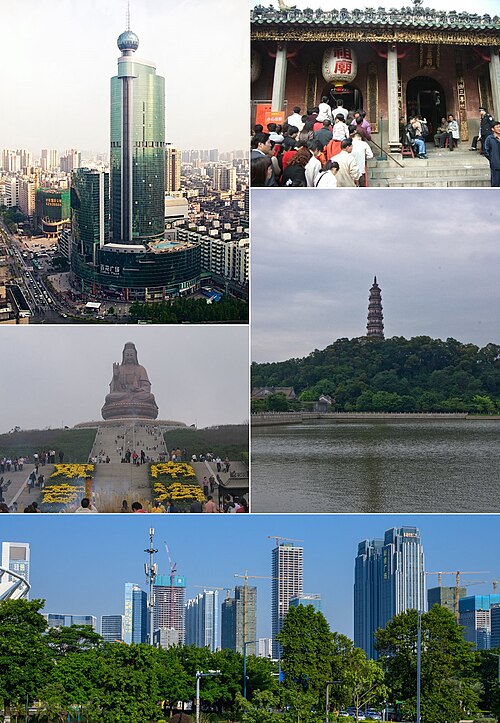
Foshan is a vibrant city located in the southern part of Guangdong Province, China. Situated about 20 kilometers (12 miles) southwest of Guangzhou, it plays a significant role as an economic and cultural hub within the Pearl River Delta region. Historically known for its prosperous ceramics and manufacturing industries, Foshan has evolved into a strategic center for commerce and trade. The city boasts a rich history, with origins dating back more than 2,500 years. Throughout its development, it has garnered a reputation for its craftsmanship, particularly in pottery and furniture making, and is often referred to as a birthplace of Cantonese culture.
The city's economy is diverse, characterized by its robust industrial sector and burgeoning service industries. Foshan is home to numerous well-established enterprises, particularly in electronics, textiles, and furniture production, making it a cornerstone of China's manufacturing landscape. It also has a growing export market due to its advantageous geographic location and well-developed transportation infrastructure, including highways, railways, and proximity to the Guangzhou Baiyun International Airport. The population is over 7 million, reflecting a blend of urban and rural characteristics, with significant regional diversity. Foshan also embraces its cultural heritage through impressive architecture, museums, and traditional arts, showcasing its unique blend of modern development and historical significance.
In recent years, Foshan has made significant investments in infrastructure and urban development, positioning itself as a model of sustainable development in China. The city is actively promoting innovation and entrepreneurship, aiming to attract talent and investment from both domestic and international sources. This commitment to modernization is evident in the city’s initiatives to enhance green spaces, improve public transportation, and integrate technology into everyday life. Foshan also organizes various cultural festivals, fostering a sense of community and preserving its rich traditions while aligning with the rapid pace of development. As a city that balances its historical legacy with contemporary growth, Foshan continues to evolve as a key player in the broader socio-economic landscape of China.
Facts about Foshan
- Foshan is renowned as the birthplace of the famous Cantonese martial art, Wing Chun, which is globally recognized and practiced.
- The city is home to the Nanfeng Ancient Kiln, one of the oldest and best preserved dragon kilns in the world, dating back to the Song Dynasty.
- Foshan is known for its rich ceramic industry, producing high-quality pottery and ceramics that have historical significance and modern appeal.
- The Foshan Ancestral Temple, dedicated to the city’s patron deity, is a prime example of southern Chinese architecture and is famous for its intricate carvings and beautiful statues.
- The city played a significant role in the opium trade in the 19th century, influencing its economic and cultural landscape.
- Foshan is also recognized for its unique culinary heritage, being famous for dishes such as Foshan crispy pork and various kinds of dim sum.
- The city has a strong connection to the Lion Dance tradition, with Foshan being a key center for its performances and training.
- Foshan's Qiandeng Lake is a scenic area that is popular for leisure and recreation, showcasing the city's emphasis on green spaces.
- The city annually hosts the Foshan International Martial Arts Festival, attracting martial arts enthusiasts from around the world.
- Foshan is part of the Guangdong-Hong Kong-Macau Greater Bay Area, a significant economic region that promotes innovation and trade.