Francisco I. Madero, Mexico
- 26,632 people
- 25.773, -103.2713
No places available for this city.
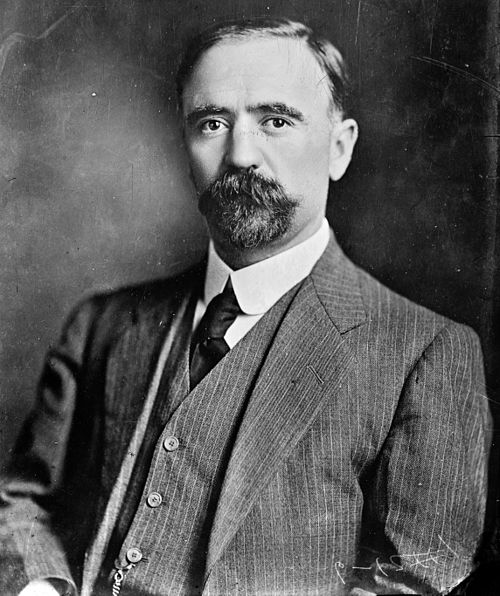
Francisco I. Madero is a city located in the northern region of Mexico, specifically in the state of Coahuila. Established in the late 19th century, the city carries the name of Francisco I. Madero, a prominent figure in the Mexican Revolution and the country's 33rd president from 1911 until his assassination in 1913. The city plays a vital role in the region's economy, primarily driven by agriculture, manufacturing, and livestock activities. It sits within a fertile agricultural zone, where crops such as cotton, corn, and various fruits are cultivated, contributing to both local and national markets.
The city's population is around 45,000 inhabitants, making it a small but significant urban center within Coahuila. Francisco I. Madero is characterized by its cultural heritage, which reflects a blend of traditional Mexican customs and modern influences. Celebrations and festivals in the city often honor its revolutionary past, with events that reminisce about Madero's legacy and the broader historical context of the revolution. The city's infrastructure includes schools, healthcare facilities, and recreational areas, providing residents with essential services and amenities. Additionally, its strategic location near the larger urban centers of Torreón and Saltillo enables residents to benefit from broader economic and cultural interactions, while also preserving a distinct local identity.
While Francisco I. Madero may not be widely known internationally, it represents an important part of Mexico’s historical narrative and cultural landscape. The city also highlights the tensions between tradition and modernization as it evolves to meet the needs of its residents in a rapidly changing world. As it continues to grow, Francisco I. Madero remains a testament to the enduring legacy of its namesake and the ongoing development of the region.
Facts about Francisco I. Madero
- Francisco I. Madero was born on October 30, 1873, in Parras de la Fuente, Coahuila, which is known for its vineyards and wine production, distinguishing it from other regions in Mexico.
- Madero was a key figure in the Mexican Revolution, advocating for democracy and opposing the long-standing dictatorship of Porfirio Díaz, marking Parras as a birthplace of revolutionary thought.
- He authored 'La Sucesión Presidencial en 1910,' a book that argued for democratic governance in Mexico, setting Parras apart as a center of intellectual and political activism.
- Madero's leadership led to the first successful revolutionary movement in Mexico, which began in 1910, making Parras historically significant in the context of social change.
- The notable 'Casa de la Cultura Francisco I. Madero' in Parras is dedicated to preserving his legacy and serves as an important cultural institution in the area.
- Madero became the first president of Mexico from the revolutionary movement, serving from 1911 until his assassination in 1913, a key moment that affected Parras' historical narrative.
- The peaceful approach of Madero to revolutions and reforms contrasts with the violence that characterized many other revolutionary leaders in Mexico, highlighting a unique aspect of his vision.
- Parras hosts annual celebrations honoring Madero, reflecting his enduring impact on the community and creating a unique local culture centered around revolutionary history.
- The vineyards of Parras, where Madero was raised, are some of the oldest in Mexico, establishing a connection between Madero's heritage and the town's agricultural distinctions.
- The legacy of Francisco I. Madero as a martyr for democracy is commemorated in various monuments and public spaces within Parras, differentiating it from many other cities in Mexico.