Frankenthal, Germany
- 47,438 people
- 11 places to visit
- 49.5377, 8.3561
Places to Visit (11)
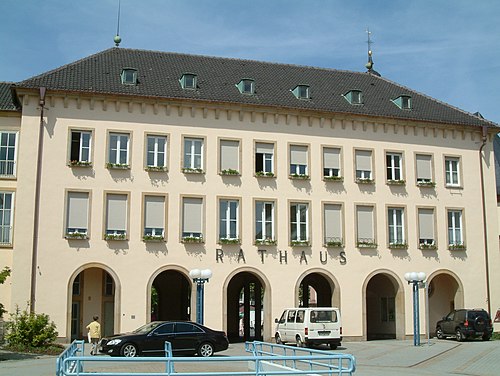
Frankenthal is a city in the German state of Rhineland-Palatinate, known for its rich history and vibrant community. Located in the southwestern part of Germany, Frankenthal lies about 25 kilometers northwest of the city of Mannheim and serves as an important urban center within the Palatinate region. The city was officially established in 1614, although its history dates back to the Roman era when it was part of a major trade route. The population of Frankenthal is around 45,000 residents, contributing to its status as a middle-sized city that combines historical charm with modern development.
The town's historical architecture reveals its past, with notable buildings including the city hall, constructed in the 18th century, and the Protestant Church of St. Peter, which represents the city’s religious heritage. Frankenthal has undergone various transformations over the centuries, particularly during the Industrial Revolution, which led to the growth of manufacturing and commerce. Today, the city is home to several industries, including pharmaceuticals, textiles, and machinery, benefiting from its strategic location and transport links. The city’s infrastructure is well-developed, with access to major highways and railway connections that enhance both regional and international trade.
Culturally, Frankenthal is characterized by a mix of events, festivals, and local traditions that reflect the community spirit of its residents. The city hosts various annual events, such as the Frankenthal Wine Festival and numerous Christmas markets, attracting visitors from nearby regions. Additionally, Frankenthal is home to several parks and recreational areas, providing spaces for outdoor activities and leisure. The interplay of historical significance and modern living makes Frankenthal a unique city, offering a quality lifestyle while preserving its cultural heritage. Its blend of history, industry, and community engagement marks it as an essential part of the Rhineland-Palatinate region.
Facts about Frankenthal
- Frankenthal is known for its historical significance as a center of the porcelain industry in the 18th century, contributing to its economic development.
- The city is home to the unique Frankenthal Town Hall, which features a blend of architectural styles, including elements of Gothic and Renaissance design.
- Frankenthal hosts the annual 'Frankenthaler Stadtfest', a popular local festival that celebrates the city's culture, diversity, and community spirit.
- The city has a rich industrial heritage, being an important hub for the manufacturing of textiles, machinery, and chemicals during the 19th and 20th centuries.
- Frankenthal is notable for its commitment to green spaces, with the City Park being one of the largest urban parks in the region, offering recreational opportunities and nature trails.
- The city is surrounded by a network of canals, some of which date back to the development of the area in the early modern period, enhancing its picturesque landscape.
- Frankenthal is recognized for its strong community spirit and has various initiatives focused on sustainability and environmental protection.
- The city is strategically located between Mannheim and Ludwigshafen, making it an important transportation hub within the Rhine-Neckar metropolitan region.
- Frankenthal’s distinctive cultural blend includes a range of local traditions, particularly in cuisine, featuring both traditional German dishes and international influences.
- The 'Viehmarkt' (Cattle Market) in Frankenthal is one of the oldest and largest marketplaces in the region, hosting various events and fairs throughout the year.