Fredericia, Denmark
- 40,886 people
- 16 places to visit
- 55.5689, 9.7495
Places to Visit (16)
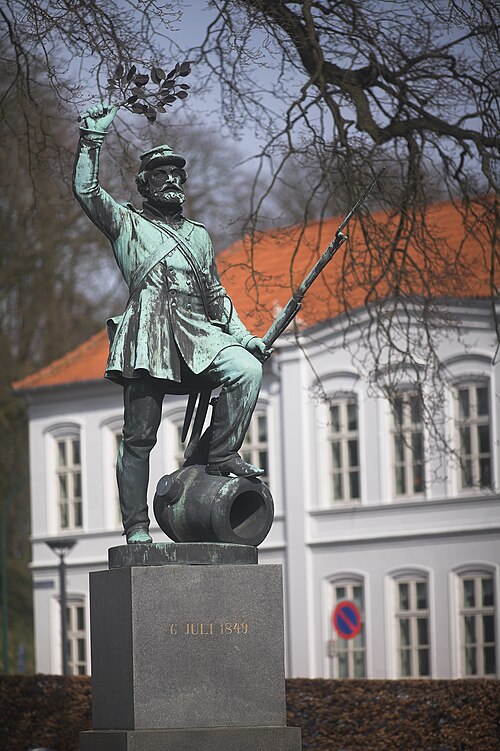
Fredericia is a prominent city in Denmark, located in the southern part of the Jutland Peninsula. Established in 1650 by King Frederick III, the city was strategically planned to serve as a fortified gateway to the region, allowing for greater control over trade and defense. Its location along the Little Belt strait made it an ideal spot for both military and commercial activities. The historical significance of Fredericia is underscored by its well-preserved ramparts, which remain one of the city's main attractions and a testament to its military history. The city’s development was heavily influenced by its fortifications, which shaped its growth and urban landscape.
Today, Fredericia is known for its vibrant culture and scenic beauty, offering a harmonious blend of history and modern living. The city features a variety of parks, waterfront areas, and recreational facilities that cater to residents and visitors alike. Fredericia has become a center for economic activities, with strong industries in logistics, shipping, and manufacturing due to its advantageous harbor. The local economy is further bolstered by a growing number of small and medium-sized enterprises. The city also plays a role in education and research, home to several institutions that contribute to its innovative and skilled workforce. With a dynamic community, rich heritage, and attractive surroundings, Fredericia continues to evolve while preserving its historical charm.
Facts about Fredericia
- Fredericia is known for its well-preserved star-shaped fortress, built in the 17th century, which was designed to defend against potential attacks from the east.
- The city has a unique historical significance as it was founded in 1650 by King Frederick III, and it was intended as a strategically important military town.
- Fredericia is located at the transition between the Little Belt and the Great Belt, making it an important maritime hub throughout its history.
- The city hosts the 'Fredericia Festen', a popular annual festival that celebrates local culture, including music, food, and arts.
- Fredericia is home to the longstanding maritime tradition of shipbuilding, with companies like Fredericia Shipyard contributing to Denmark's maritime industry.
- The city features the majestic 'The Town Hall', constructed in a neoclassical architectural style, which stands as a testament to Fredericia's historic significance.
- Fredericia has a unique greenhouse museum called 'Krudthuset', which showcases both botanical diversity and the historical relevance of gunpowder production in the area.
- The picturesque 'Fredericia Beach' is known for its family-friendly atmosphere and is one of the few sand beaches along the Little Belt coast.
- Fredericia's 'Madsby Park' is a popular recreational area, known for its petting zoo and themed attractions, offering family-oriented entertainment not commonly found in other Danish cities.
- The city is recognized for its diverse architectural styles, ranging from historical buildings to modern designs, reflecting its growth and development through different eras.