Freeport, Bahamas
- 26,910 people
- 15 places to visit
- 26.5333, -78.6429
Places to Visit (15)
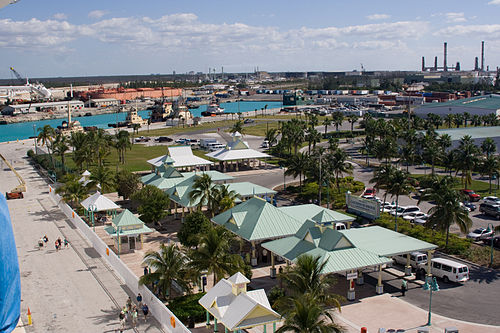
Freeport, located on the island of Grand Bahama in the Bahamas, is the second-largest city in the nation after Nassau. Established in 1955 as a free trade zone, Freeport has developed a reputation as a commercial hub and an important center for tourism, with a strong commitment to economic development and sustainability. The city is known for its lush landscapes, beautiful beaches, and vibrant coral reefs, making it a popular destination for both international tourists and cruise ship travelers. The nearby Lucayan National Park, with its stunning underwater cave systems and diverse flora and fauna, provides visitors with an opportunity to explore the rich natural heritage of the Bahamas.
The economy of Freeport is driven primarily by tourism, manufacturing, and financial services. The city hosts the Freeport Container Port, which is one of the largest shipping facilities in the Caribbean, facilitating trade and commerce in the region. A notable feature of the local economy is the Grand Bahama Shipyard, a significant ship repair facility that attracts work from vessels across the Caribbean and beyond. Freeport also participates in the Bahamas' efforts to diversify its economy, including investments in eco-tourism and renewable energy. The community is home to various cultural and recreational events that showcase Bahamian traditions, music, and cuisine, providing locals and visitors alike with a rich and engaging experience.
Freeport's climate is tropical, characterized by warm temperatures and a distinct wet and dry season, making it a desirable year-round destination. Despite the impact of hurricanes, particularly Hurricane Dorian in 2019, which caused extensive damage, Freeport has shown resilience in its recovery efforts. The city's infrastructure has been bolstered by ongoing investments, and local government initiatives focus on enhancing public services and environmental sustainability. Overall, Freeport stands as a testament to the Bahamas' charm and adaptability, embodying both natural beauty and economic potential while providing a gateway to the wonders of the Caribbean.
Facts about Freeport
- Freeport is one of the major cities in the Bahamas and is located on the island of Grand Bahama, distinguishing it from the capital, Nassau, which is situated on New Providence.
- Established in 1955, Freeport was designed as a Free Trade Zone, attracting international businesses and distinguishing it from other towns in the Bahamas that primarily rely on tourism.
- The city is known for its significant industrial area and has developed a reputation as an economic hub compared to predominantly tourist-oriented locales in the Bahamas.
- Freeport houses the Rand Memorial Hospital, which is one of the largest healthcare facilities in the Bahamas, providing advanced medical services not widely available in other islands.
- Port Lucaya Marketplace in Freeport is a notable tourist attraction, famous for its vibrant atmosphere, dining, and shopping options, making it unique compared to local marketplaces in other Bahamian towns.
- Unlike many other Bahamas islands, Freeport has an extensive road network, making transportation easier for both residents and visitors.
- The city is renowned for its eco-tourism opportunities, featuring the Lucayan National Park, which contains one of the longest underwater cave systems in the world.
- Freeport hosts the annual Junkanoo Carnival, a colorful and lively celebration that showcases Bahamian culture and arts, distinguishing it from other islands that may not host such events.
- The city's Freeport Container Port is one of the largest cargo ports in the Caribbean, contributing to its status as a logistical hub compared to smaller ports in other areas of the Bahamas.
- Freeport's cultural diversity is highlighted during festivals where expats and locals come together, making it a melting pot of cultures compared to more homogeneous areas in the Bahamas.