Freetown, Sierra Leone
- 802,639 people
- 9 places to visit
- 8.4871, -13.2355
Places to Visit (9)
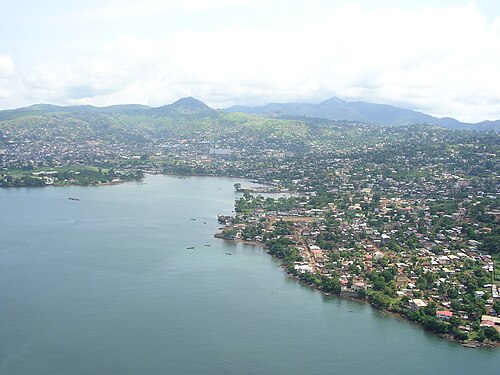
Freetown, the capital and largest city of Sierra Leone, is located on the country’s Atlantic coastline in the Western Area Peninsula. Founded in 1787 as a settlement for freed slaves and repatriates, it has a diverse cultural heritage influenced by various African ethnic groups, British colonialism, and the experiences of the returnees from the Americas and the Caribbean. The city's name reflects its origins, highlighting the aspiration for freedom and a new beginning. Freetown has grown into a bustling urban hub, characterized by a mix of colonial architecture, modern buildings, and a vibrant street life. The population, estimated at over one million, is a mosaic of ethnicities, including the Temne, Limba, Mende, and others, contributing to the city's dynamic cultural scene.
Economically, Freetown plays a critical role in Sierra Leone, serving as the country’s primary commercial center. The Port of Freetown is one of the essential conduits for trade, facilitating the import and export of goods, thus significantly impacting the nation's economy. Key industries in the city include trade, manufacturing, and agriculture. However, the economy faces challenges such as high unemployment rates, particularly among the youth, alongside infrastructural issues exacerbated by the civil war that plagued the country between 1991 and 2002. Despite these challenges, Freetown has shown resilience, with ongoing efforts to improve urban infrastructure, public services, and economic stability.
Environmental factors also play a considerable role in Freetown’s development. The city is surrounded by lush vegetation and hills, but it is prone to flooding and landslides during the rainy season, which pose major risks to residents and infrastructure. Additionally, Freetown's beaches and coastal areas, such as Lumley Beach and Tokeh Beach, are popular for recreation and tourism, contributing to local livelihoods. The city is home to significant historical and cultural sites, including the Cotton Tree, a national symbol, and museums that celebrate its rich heritage. Education and community engagement are pivotal for the future of Freetown, as local organizations and international partners work towards improving the living conditions and opportunities for its residents. Overall, Freetown exemplifies the complexities of post-colonial urban life in West Africa, balancing a rich historical narrative with the challenges of modernization and development.
Facts about Freetown
- Freetown was founded in 1787 as a colony for repatriated slaves from the United Kingdom and elsewhere, making it one of the first cities in Africa to be established by freed slaves.
- The city is home to the historic Cotton Tree, a symbol of freedom and resilience, where freed slaves would gather to celebrate their newfound liberty.
- Freetown served as the capital of Sierra Leone and is the hub of political and economic activities in the country, distinguishing it from other towns and cities.
- The famous Bunce Island, located near Freetown, was an important slave trading post during the 18th century and is now a significant historical site.
- Freetown is known for its vibrant Creole culture, which is a blend of African, European, and American influences, setting it apart from more traditional towns in Sierra Leone.
- The city is recognized for its beautiful beaches, such as Lumley Beach, which attract both locals and tourists, making it a significant leisure destination.
- Freetown played a pivotal role during the civil war in Sierra Leone from 1991 to 2002, being the site of major conflicts and subsequently the focus of peace-building efforts.
- The Sierra Leone National Museum, located in Freetown, showcases the country's rich cultural heritage and history, highlighting its unique identity.
- Freetown hosted the 2019 African Games, which were significant for the city as it showcased Sierra Leone on a continental stage.
- The city is known for its diverse community, home to various ethnic groups including the Creoles, Temne, and Mende, contributing to its rich cultural tapestry.