Freudenstadt, Germany
- 23,868 people
- 12 places to visit
- 48.4645, 8.418
Places to Visit (12)
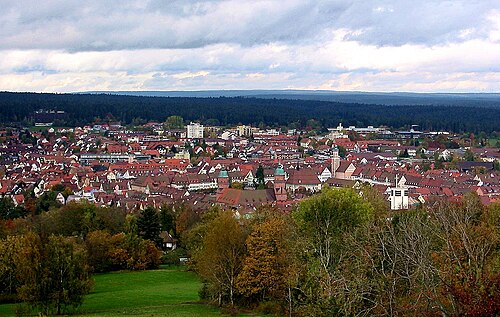
Freudenstadt is a picturesque town located in the Black Forest region of Germany, within the state of Baden-Württemberg. Established in the 16th century by Duke Friedrich I of Württemberg, Freudenstadt is recognized for its unique layout and extensive square, which is one of the largest marketplace squares in Germany, measuring around 1.5 hectares. The town’s architecture predominantly features traditional half-timbered houses, along with notable structures such as the Evangelische Stadtkirche, a Protestant church built in the Baroque style, and the historic town hall. The area is renowned for its beautiful natural landscapes, with dense forests and rolling hills surrounding the town, making it a popular destination for outdoor activities including hiking, biking, and winter sports.
Freudenstadt enjoys a mild climate, characterized by warm summers and cool winters, which enhances its appeal as a holiday destination. Its location within the Black Forest provides visitors with easy access to numerous trails and recreational areas, as well as opportunities to explore the region's rich cultural heritage. The town hosts various festivals throughout the year, drawing both local residents and tourists alike. Among these, the Freudenstadt Christmas Market is particularly popular, featuring traditional crafts, seasonal delicacies, and festive atmosphere. Additionally, Freudenstadt serves as a gateway to the southern Black Forest, offering convenient connections to other towns and attractions in the region, including Triberg, known for its waterfalls and cuckoo clocks, and the scenic Kinzig Valley. The town’s commitment to sustainability and preservation of its natural surroundings further enhances its charm, making Freudenstadt a quintessential example of a harmonious blend of culture, history, and nature in Germany.
Facts about Freudenstadt
- Freudenstadt is home to the largest market square in Germany, which measures about 220 meters by 110 meters.
- The city was founded in 1599 by Duke Frederick I of Württemberg as a planned town, intended to promote the economy and settle residents.
- Freudenstadt is situated at an elevation of 800 meters above sea level, making it one of the highest towns in Germany.
- The town features a unique octagonal church, the Protestant Stadtkirche, which was completed in 1634 and is a hallmark of Freudenstadt's architecture.
- Freudenstadt is known for its significant timber-frame buildings, which reflect the traditional architecture of the region and give the town a distinctive charm.
- The Freudenstadt region is a popular destination for outdoor activities, being located in the Black Forest, and offers extensive trails for hiking and mountain biking.
- Freudenstadt hosts an annual international hot air balloon festival, attracting balloonists and spectators from around the world.
- The city is also recognized as a spa town, with wellness offerings that take advantage of its natural beauty and therapeutic climate.
- In the 19th century, Freudenstadt gained popularity as a tourist destination, particularly due to its strategic location and beautiful landscapes.
- Freudenstadt played a role in the history of the German chair-making industry, being a significant center for craftsmanship in this field.