Fürstenwalde, Germany
- 33,539 people
- 10 places to visit
- 52.3713, 14.0609
Places to Visit (10)
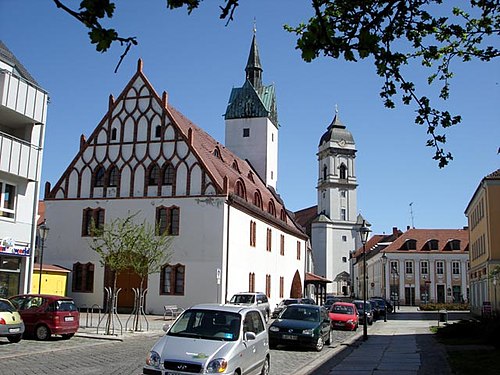
Fürstenwalde, a picturesque town situated in the state of Brandenburg, Germany, is located approximately 50 kilometers east of Berlin. Founded in the 13th century, it has a rich history that traces back to the early Slavic settlements in the region. The town lies along the banks of the Spree River, which has historically provided a vital transportation route for trade and commerce. Throughout the centuries, Fürstenwalde became an important center for various industries, including textiles and ceramics, particularly during the 19th century when it experienced significant industrial growth.
Architecturally, Fürstenwalde is marked by a blend of historical and modern influences. The iconic St. Mary's Church, a monumental Gothic structure completed in the 15th century, stands out as a symbol of the town’s rich ecclesiastical heritage. Its impressive red brick facade and towering spire are among the primary attractions for visitors. The town also features remnants of its medieval fortifications and well-preserved half-timbered houses that testify to its historical significance. Additionally, urban development in the late 20th century introduced modern amenities and facilities, making Fürstenwalde an attractive place for both residents and tourists.
Today, Fürstenwalde serves as a vibrant community with a population of around 30,000 inhabitants. It offers a harmonious blend of urban and rural life, featuring parks and recreational areas that invite outdoor activities. The town is well-connected via public transport, including regional trains that facilitate easy access to Berlin and other nearby cities. Cultural events, local festivals, and markets contribute to a lively community spirit and showcase the town's local heritage. Moreover, Fürstenwalde's strategic location and historical significance continue to make it a noteworthy destination within the Brandenburg region.
Facts about Fürstenwalde
- Fürstenwalde is one of the oldest cities in Brandenburg, with its first official mention dating back to 1253.
- The town is known for its historic St. Mary’s Church (St. Marien), a stunning example of Gothic architecture completed in the 15th century.
- Fürstenwalde's unique location along the Spree River has historically made it a significant trade route and a center for commerce in the region.
- The city hosts the annual Fürstenwalde Christmas Market, which features traditional crafts and local delicacies, attracting visitors from the wider area.
- Fürstenwalde was heavily damaged during World War II, but many historical buildings have been restored, showcasing post-war reconstruction efforts.
- The city's cultural life includes the Fürstenwalder Stadtfest, an annual festival celebrating local businesses, artisans, and musicians.
- Fürstenwalde is home to a large number of green spaces and parks, like the Stadtpark, making it one of the greener cities in the vicinity of Berlin.
- The city has a historical connection to the printing industry, being home to several printing houses since the 17th century, some of which are still operational today.
- Fürstenwalde's central location makes it a transport hub, with convenient rail links to Berlin and other major cities in Brandenburg.
- The city's population is diverse, with a notable influx of residents from various backgrounds contributing to its multicultural character.