Fuji, Japan
- 245,015 people
- 35.1667, 138.6833
No places available for this city.
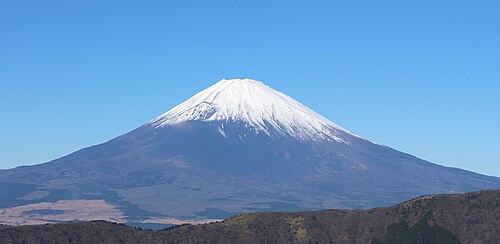
Fuji is a city located in Shizuoka Prefecture, Japan, nestled in the foothills of the iconic Mount Fuji, approximately 95 kilometers southwest of Tokyo. Established as a city in 1967, Fuji has become a vital hub due to its favorable geographic location and rich cultural heritage. The city's population hovers around 250,000 residents, making it one of the larger urban centers in the prefecture. Fuji is well-connected by major transportation lines, including the Tōkaidō Shinkansen (bullet train) and several national and prefectural highways, which facilitate easy access to Tokyo, Yokohama, and other significant areas in Japan.
The landscape of Fuji is marked by its lush surroundings and awe-inspiring views of Mount Fuji, which is a UNESCO World Heritage Site and Japan's tallest peak. The proximity to this natural wonder has made Fuji popular not only for tourism but also for outdoor activities such as hiking and mountaineering. The city offers various parks and recreational areas that provide stunning vistas of the mountain, alongside opportunities to experience local flora and fauna. Fuji is also notable for its numerous historical sites, including the historic Fujikawa River, traditional shrines, and temples that reflect the rich cultural tapestry of the region.
Economically, Fuji plays a significant role in the local manufacturing and agricultural sectors. The city is known for its production of strawberries, persimmons, and rice, benefiting from the fertile lands fed by rivers originating from Mount Fuji. Additionally, companies engaged in industries such as textiles, machinery, and electronics have established robust operations in the area, further bolstering the local economy. Festivals and events throughout the year, such as the Fuji Strawberry Festival and the Fujisan Daidogei World Cup, highlight the city's community spirit and dedication to celebrating its cultural traditions. With its blend of natural beauty, economic vitality, and historical significance, Fuji stands out as a unique and inviting destination within Japan.
Facts about Fuji
- Fuji is home to the iconic Mount Fuji, Japan's highest peak at 3,776 meters (12,389 feet), and is a UNESCO World Heritage Site recognized for its cultural significance.
- The city of Fuji was established as a result of the merger of several towns in 2003, which makes it relatively new compared to many other cities in Japan.
- Fuji is known for the Fuji-Q Highland amusement park, which features roller coasters with some of the fastest speeds in the world and breathtaking views of Mount Fuji.
- The city celebrates the Fuji Fireworks Festival annually in July, attracting thousands of visitors who come to enjoy the stunning pyrotechnics against the backdrop of the mountain.
- Fuji is famous for its production of wine, particularly red wine made from grapes grown in the region, taking advantage of its unique climate and topography.
- The city has a rich history linked to the silk industry, once thriving due to the favorable climate and access to fresh water from nearby rivers.
- Fuji is notable for its extensive parks and natural areas, including the Fujisan World Heritage Center, which serves as a visitor facility and educational center about the mountain's significance.
- Unique to Fuji, the area around the city features several hot spring resorts (onsen) that provide visitors with relaxing thermal baths while enjoying views of Mount Fuji.
- Fuji is located in Shizuoka Prefecture, which is famous for its tea production, making the region a key player in Japan's tea industry.
- The city has strong connections to the creative arts, particularly with local artists drawing inspiration from the scenic views of Mount Fuji and the surrounding nature.