Fukushima, Japan
- 294,237 people
- 4 places to visit
- 37.7608, 140.4748
Places to Visit (4)
Fukushima is a city located in the Fukushima Prefecture on the northeastern part of Honshu, Japan. With a population of approximately 290,000 residents, it serves as the capital of the prefecture, which is known for its rich cultural heritage and natural beauty. The city has a history that dates back to ancient times, with significant development occurring during the Edo period when it became an important center for agricultural production. Its economy has traditionally been rooted in agriculture, particularly rice and fruit cultivation, but Fukushima is also known for its manufacturing and service sectors. The city is surrounded by mountains, providing stunning landscapes and opportunities for outdoor activities such as hiking and skiing.
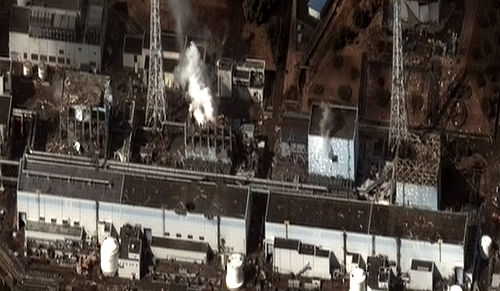
Fukushima gained international attention in March 2011 when it was severely affected by a massive earthquake and subsequent tsunami that led to the Fukushima Daiichi nuclear disaster. The incident resulted in major radiation leaks, prompting widespread evacuations and a reevaluation of nuclear safety protocols in Japan and worldwide. In the years following the disaster, the city and surrounding areas have focused on recovery and rebuilding efforts. Initiatives have been undertaken to restore the local economy and community, with an emphasis on revitalizing agriculture and promoting tourism. Various events, such as local festivals showcasing traditional culture and products, help to foster a sense of community and attract visitors. As of today, while challenges remain related to the nuclear disaster, Fukushima has made considerable progress in recovery and continues to develop as a vibrant city rich in history and resilience.
Facts about Fukushima
- Fukushima was the site of the Fukushima Daiichi nuclear disaster in March 2011, which was triggered by a magnitude 9.0 earthquake and tsunami.
- The name 'Fukushima' means 'Fortunate Island', indicating the area’s historical significance and lush landscape before the disaster.
- Fukushima Prefecture is known for its agricultural produce, especially peaches, which are celebrated for their sweetness and have earned the nickname 'The Peach Kingdom'.
- The city is home to the historic Aizuwakamatsu Castle, also known as Tsuruga Castle, which played a prominent role during the Boshin War in the late 19th century.
- Fukushima has a vibrant traditional crafts scene, including Aizu lacquerware and ceramics, reflecting its rich cultural heritage.
- The region is famous for its hot springs (onsen), with natural thermal baths attracting tourists seeking relaxation and healing experiences.
- Fukushima hosts the annual 'Fukushima Fireworks Festival,' which showcases elaborate pyrotechnics and draws large crowds, celebrating local culture and resilience.
- The city is involved in various recovery initiatives following the nuclear disaster, focusing on revitalizing the community and promoting safe tourism.
- Fukushima has been featured in international discussions on nuclear safety and disaster management, becoming a case study for improvements in technology and policy.
- The Fukushima Future Center for Regional Revitalization was established to foster innovation and sustainable development in the wake of the challenges faced after the disaster.