Fushun, China
- 1,400,646 people
- 8 places to visit
- 41.8797, 123.9572
Places to Visit (8)
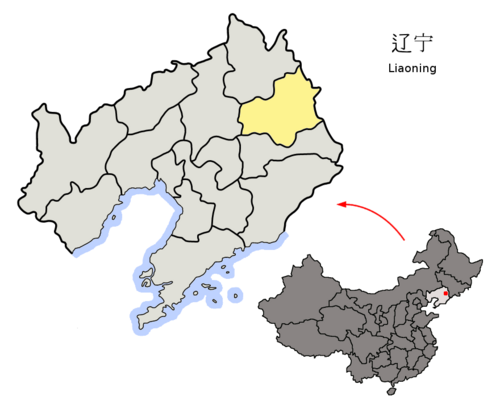
Fushun is a city located in the northeastern part of China, specifically within Liaoning Province. It serves as the administrative center of Fushun City and is situated approximately 50 kilometers (31 miles) northeast of Shenyang, the provincial capital. Fushun is historically significant and has been influenced by various cultural and political changes over the centuries. The city has a population of around 2 million people, and its development has been closely tied to the region's rich natural resources, particularly coal and iron.
The history of Fushun can be traced back to ancient times, but it gained prominence during the Qing Dynasty as a major coal mining area. The discovery of vast coal reserves led to rapid industrialization in the 20th century, especially during the Japanese occupation from 1931 to 1945 when the resource was heavily exploited. Today, Fushun remains an important industrial hub, with industries that include coal mining, metallurgy, and manufacturing. The city is also home to the first excavated coal mine in China, which is now a designated historical site and attracts tourists interested in the nation's industrial heritage.
In addition to its industrial significance, Fushun is known for its scenic landscapes and cultural sites. The city is surrounded by mountains and rivers, making it a picturesque destination for outdoor activities. Notable attractions include the Fushun Yongling, a significant mausoleum for the Qing Dynasty's royal family, and the nearby Liaoning Shihua National Geopark, which features unique geological formations. Fushun's rich history, coupled with its natural beauty, makes it a city of considerable interest in northeastern China, balancing industrial development with cultural preservation and tourism.
Facts about Fushun
- Fushun is home to the Fushun Coal Mine, one of the earliest coal mines in China, which began operations in the late 19th century and significantly contributed to the country's industrial development.
- The city played a crucial role during the Second Sino-Japanese War, serving as a base for resistance efforts against Japanese occupation.
- Fushun is known for its unique geological feature, the Fushun Filmite, a natural formation that has garnered interest for its historical significance in the fossil fuel industry.
- The city boasts the Fushun Botanic Garden, which spans approximately 38 hectares and features a diverse collection of plant species, making it a key location for ecological research and public enjoyment.
- Fushun is recognized for the Fushun War Criminals Management Centre, a site that memorializes the war crimes committed during the Japanese invasion and serves as a historical educational center.
- The city has a rich heritage in coal-based culture, evident in its Coal Culture Museum, which educates visitors about the history and development of coal mining in the region.
- Fushun's unique location near the Hun River provides picturesque landscapes and has influenced various local cultural festivals and events that celebrate the region's natural beauty.
- The city is also known for its hot springs, particularly in the Shenyang and Fushun areas, attracting visitors seeking therapeutic experiences and relaxation.
- Fushun is close to the historic site of the Fushun Shenma (Sky Horse) ancient military fortress, which dates back to the Ming Dynasty and showcases ancient Chinese military architecture.
- Annual events such as the Fushun International Mountain Bike Race showcase the city's commitment to promoting sports and outdoor activities, distinguishing it from other urban centers in China.