Futtsu, Japan
- 51,650 people
- 6 places to visit
- 35.3041, 139.8571
Places to Visit (6)
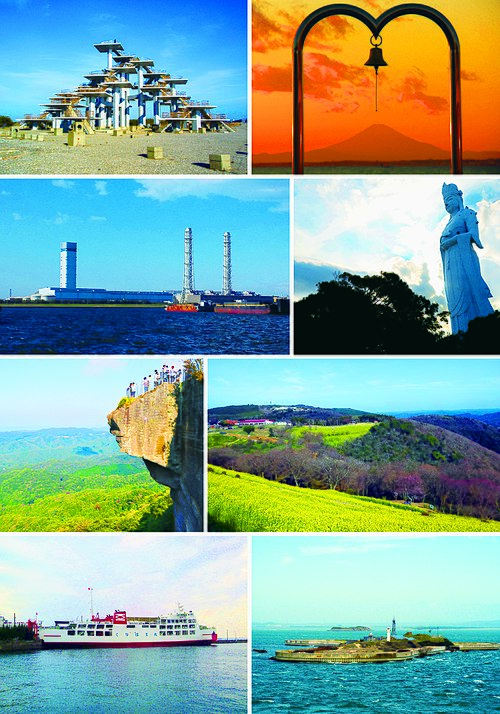
Futtsu is a city located in Chiba Prefecture, Japan, situated along the eastern shore of Tokyo Bay. Known for its scenic waterfront, cultural heritage, and recreational areas, Futtsu was established as a city in 2001. Prior to that, it was a town within the larger Futtsu District. The area is characterized by its lush greenery, beautiful parks, and views of the Tokyo skyline across the bay. Futtsu serves as both a residential community and a destination for visitors who wish to experience the natural beauty and tranquility of the region.
The city is home to various attractions, including the iconic Nokogiriyama, a prominent mountain that features stunning views of the surrounding landscape and a popular hiking trail. Nokogiriyama also houses the Nihonji Temple, which is known for its large stone Buddha statue, one of the tallest in Japan. In addition to its historical sites, Futtsu boasts several beaches along the bay, making it a favored spot for swimming, fishing, and other water activities during the summer months. The area is also celebrated for its agricultural produce, particularly its strawberries and other seasonal fruits, which contribute to the local economy.
Futtsu's transportation infrastructure is well-developed, providing convenient access to Tokyo and other major cities. The Futtsu Station on the JR Uchibo Line links it to the Tokyo metropolitan area, allowing residents and tourists alike to easily explore neighboring regions. The city has a growing population that enjoys both the benefits of urban living and the allure of nature, making Futtsu a unique blend of modern convenience and natural beauty. As it continues to develop, Futtsu aims to preserve its rich cultural heritage while adapting to the needs of a changing society, ensuring that it remains an attractive destination for years to come.
Facts about Futtsu
- Futtsu is known for the iconic Futtsu Park, which offers stunning views of Tokyo Bay and the Boso Peninsula, making it a popular spot for both locals and tourists.
- The city is home to the historical site of Nihon-ji, where the Great Buddha statue (Daibutsu) is located, one of the largest in Japan, carved into the mountainside during the 18th century.
- Futtsu hosts the annual Futtsu Bay Fireworks Festival, which attracts thousands of spectators and features a spectacular display over the bay.
- The area around Futtsu has a rich history in rice farming, and the annual Rice Planting Festival showcases traditional agricultural practices and local culture.
- Futtsu is one of the cities in Chiba Prefecture that collaborated in developing eco-friendly initiatives, significantly promoting sustainable tourism and protecting marine ecosystems.
- The city features the Futtsu Lighthouse, which was built in 1869 and is one of the oldest lighthouses in Japan, serving as a critical navigation point for ships in Tokyo Bay.
- Futtsu has a vibrant local seafood scene, particularly famous for its fresh seafood caught from the waters of Tokyo Bay, including various types of fish and shellfish.
- The nearby Kisarazu area, just across the bay, is connected to Futtsu by the Tokyo Bay Aqualine, one of the longest underwater tunnels in the world, enhancing accessibility.
- Futtsu played a significant role during the Edo period as a key transportation point along the Old Tōkaidō road, which connected Edo (modern-day Tokyo) to Kyoto.
- The city has a unique blend of modern and traditional attractions, including shrines, temples, and contemporary recreational facilities, making it a diverse destination.