Gaborone, Botswana
- 246,325 people
- 12 places to visit
- -24.658, 25.9077
Places to Visit (12)
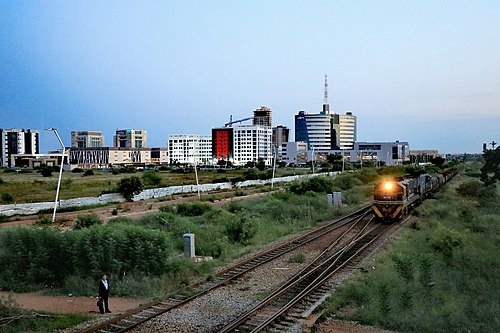
Gaborone, the capital and largest city of Botswana, is located in the southeastern part of the country, near the border with South Africa. Founded in the 1960s, the city was named after Chief Gaborone of the Batlokwa tribe, and it has since evolved from a small village into a bustling urban center. With a population of approximately 231,000 people as of the last census, Gaborone serves as the political, economic, and cultural hub of Botswana. The city is characterized by a harmonious blend of traditional and modern influences, evident in its architecture and urban planning. As Botswana's central administrative zone, Gaborone hosts various governmental institutions, including the Parliament and the Presidential Office, along with numerous international embassies and organizations.
Economically, Gaborone is a focal point for commerce and trade in Botswana, contributing significantly to the nation's GDP. The city boasts a developing infrastructure, with well-planned roads, educational institutions, and healthcare facilities. The Gaborone International Convention Centre plays a key role in hosting various conferences and exhibitions, which attract both local and international visitors. Major industries in the city include tourism, retail, and finance, with several banks and financial institutions establishing their headquarters there. Gaborone also promotes various cultural and recreational activities, with attractions such as the National Museum and Art Gallery, which showcases the rich history and artistic expressions of Botswana. Additionally, the nearby Gaborone Dam offers recreational opportunities for residents and tourists alike, fostering a connection to the natural landscape surrounding the city.
Despite its rapid urbanization, Gaborone faces challenges common to growing cities, such as infrastructure development, environmental sustainability, and housing. Nevertheless, it has made strides in fostering economic growth while promoting social cohesion and cultural preservation. The city also emphasizes the importance of education and skill development, working towards creating a well-informed populace capable of contributing to the nation’s progress. Gaborone exemplifies a city in transition, balancing contemporary growth with its rich heritage, and is a testament to Botswana's journey as a democratic and economically stable nation in Southern Africa. Through its dynamic environment, Gaborone continues to attract businesses and residents, solidifying its status as a central player in the region's development.
Facts about Gaborone
- Gaborone is the capital and largest city of Botswana, established as such in 1966 after the country's independence.
- The city is named after a local chief, Gaborone, who was the leader of the BaTlokwa tribe.
- Gaborone is home to the Botswana National Museum, which showcases the country's cultural heritage and history.
- The city's iconic landmark, the Three Dikgosi Monument, commemorates the three tribal chiefs who played a significant role in Botswana's history.
- Gaborone is strategically located near the South African border and serves as a major trade and transportation hub.
- The city hosts the annual Gaborone International Music and Arts Festival, attracting artists and performers from across the region.
- The University of Botswana, located in Gaborone, is the oldest institution of higher learning in the country and plays a key role in education.
- Gaborone has a unique blend of modern infrastructure and traditional culture, offering a lively atmosphere with cultural events and markets.
- The city is also known for its conservation efforts, evidenced by places like the Gaborone Game Reserve, which is home to various wildlife species.
- Gaborone's economy is diverse, with significant contributions from sectors such as banking, commerce, and tourism, distinguishing it from other cities in Botswana.