Gafsa, Tunisia
- 81,232 people
- 1 places to visit
- 34.4311, 8.7757
Places to Visit (1)
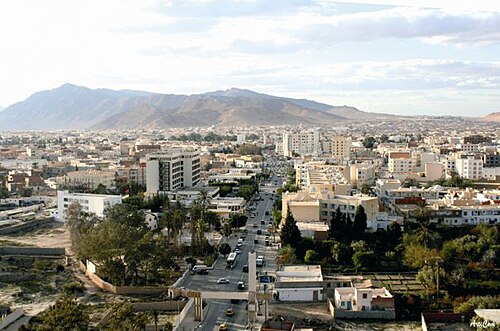
Gafsa is a city located in the central part of Tunisia, serving as the capital of the Gafsa Governorate. Nestled between the Chott el Jerid and the Djebel Dahar mountains, Gafsa has a strategic position that historically connected various trade routes, facilitating commerce and cultural exchange. The city boasts a rich history that dates back to ancient times; it was known as Capsa in antiquity, a prominent settlement of the Roman Empire. The remnants of Roman architecture, including ruins like the impressive aqueduct and ancient mosaics, underscore its historical significance and attract tourists and historians alike.
In addition to its historical heritage, Gafsa is known for its natural beauty and unique landscapes, characterized by the nearby mountain ranges, oases, and mineral resources. The region is particularly famous for its phosphate mining industry, which plays a vital role in the local economy and contributes significantly to Tunisia’s overall economy. The phosphate mines around Gafsa are among the largest in the world, providing employment opportunities for many residents. Moreover, the city is surrounded by a series of attractive oases, which are vital for agriculture, particularly for the cultivation of dates and olives.
Culturally, Gafsa is a vibrant city with a diverse population that reflects Tunisia's rich tapestry of ethnicities and traditions. Local markets buzz with activity, offering a variety of goods, from traditional crafts to fresh produce. The city's landscape is dotted with palm trees and traditional houses, giving it a distinctive charm. Annual cultural events and festivals showcase the region's folklore and music, fostering pride in local traditions. Gafsa not only represents a crucial industrial hub but also stands out as a center of cultural heritage in Tunisia, bridging its ancient past with the modern era.
Facts about Gafsa
- Gafsa is known for its rich history dating back to Roman times, where it was known as Capsa, a significant trading hub in North Africa.
- The city is famous for its unique and well-preserved Roman ruins, including the ancient amphitheater and the remains of Roman baths.
- Gafsa is located near the Chott el Jerid, the largest salt flat in the Sahara, which creates stunning natural landscapes and attracts tourists.
- The region surrounding Gafsa is known for its phosphates, making it a key area for phosphate mining and a major contributor to Tunisia's economy.
- Gafsa hosts the annual Gafsa Cultural Festival, which showcases local music, arts, and crafts, emphasizing the city's vibrant cultural scene.
- The city is distinct for its traditional handicrafts, particularly pottery and weaving, which are integral to the local economy and heritage.
- Gafsa has a unique geographical setting, being located in a valley surrounded by the mountains of the High Plateau, offering breathtaking views.
- The local cuisine of Gafsa features distinct flavors, with dishes like couscous and tajine prepared with locally sourced ingredients.
- Gafsa is home to several natural springs, known for their mineral-rich waters, which have been celebrated for their healing properties since ancient times.
- The city's archaeological museum houses a variety of artifacts from various periods, showcasing Gafsa's role in the historical interplay of cultures in the region.