Gainesville GA, United States
- 38,712 people
- 13 places to visit
- 34.2979, -83.8241
Places to Visit (13)
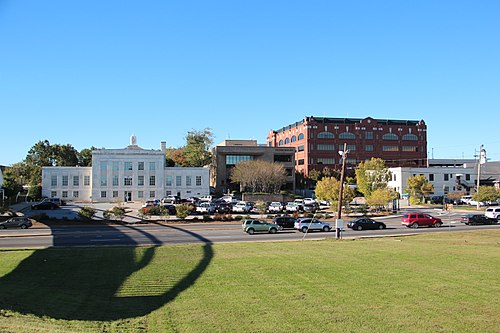
Gainesville, Georgia, located in Hall County, is a vibrant city recognized for its rich history, natural beauty, and strong community spirit. Established in the early 19th century, Gainesville played a pivotal role in the development of the region, particularly in agriculture. Known as the "Queen City of the Mountains," it is situated near Lake Lanier and the foothills of the Blue Ridge Mountains, making it a popular destination for outdoor enthusiasts. The city is renowned for its picturesque landscapes, offering an array of recreational opportunities such as hiking, fishing, and boating, thanks largely to its proximity to the lake and multiple parks.
As of the 2020 census, Gainesville had a population of approximately 42,000 residents, reflecting a diverse demographic that contributes to its cultural richness. The city's economy is anchored by industry sectors such as healthcare, education, and manufacturing, with notable employers including Northeast Georgia Health System and data providers in the poultry sector. Gainesville is also home to the University of Georgia’s Gainesville campus, which plays a significant role in the education and training of local students, fostering a skilled workforce. Annual events like the Georgia Mountain Food Festival and the Gainesville Fourth of July Celebration exemplify the city’s sense of community and its commitment to cultural heritage. Furthermore, the city’s arts scene, bolstered by local galleries and theaters, enhances its appeal as a place where tradition meets modernity. Overall, Gainesville stands as a dynamic city, blending its historical roots with contemporary growth and community engagement.
Facts about Gainesville
- Gainesville, Georgia is known as the 'Chicken Capital of the World' due to its significant poultry industry, producing more chickens than any other city in the United States.
- The city hosts the annual Chicken Festival, celebrating its chicken heritage with a variety of activities, including a parade, live music, and cooking competitions.
- Gainesville is home to the historic Gainesville Midland Railway, which played a crucial role in the development of the region's transportation and commerce during the early 20th century.
- Lake Lanier, located just outside of Gainesville, is one of the largest and most popular lakes in the United States, known for its recreational opportunities such as boating, fishing, and swimming.
- The city was named after General Edmund P. Gaines, a hero of the War of 1812, distinguishing it from other cities named Gainesville across the country.
- Gainesville's square is recognized for its historic architecture, including the Hall County Courthouse, which is listed on the National Register of Historic Places.
- The city has a rich musical heritage and is home to the annual Music on Main event, showcasing local talent and promoting community involvement.
- Gainesville played a significant role in the civil rights movement, with notable events taking place in the 1960s, including local sit-ins and protests for equality.
- The city has a vibrant arts scene, including the Gainesville Arts Council, which promotes local artists and art events throughout the year.
- Gainesville is recognized for its commitment to education, being home to several higher education institutions, including the University of North Georgia's Gainesville campus.