Galveston TX, United States
- 50,180 people
- 13 places to visit
- 29.3013, -94.7977
Places to Visit (13)
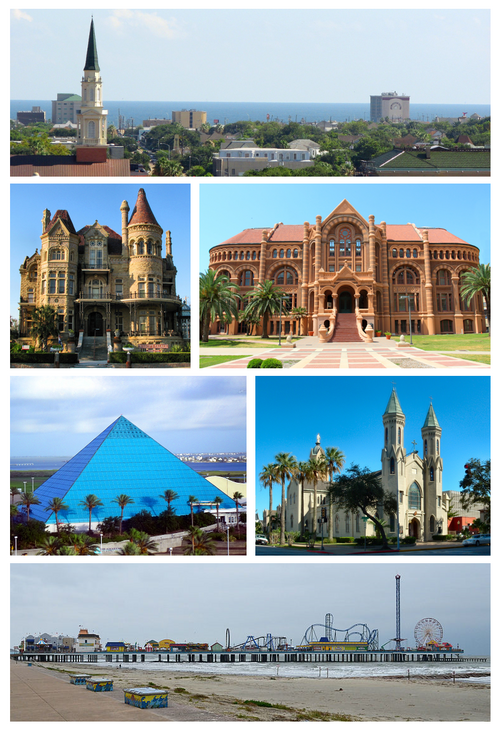
Galveston, Texas, is a coastal city located on Galveston Island, about 50 miles southeast of Houston. Established in the early 19th century, it quickly grew into a thriving port city due to its strategic position along the Gulf of Mexico. The city was once an economic powerhouse, particularly during the Texas Revolution and the subsequent years of cotton exportation. In the late 1800s, Galveston gained prominence as a cultural and commercial center, earning the nickname “The Wall Street of the South.” The city is characterized by its rich history, evident in its well-preserved Victorian architecture and notable historic districts, such as the Strand Historic District, which features a variety of shops, galleries, and restaurants.
The city has also faced significant challenges throughout its history, most notably the catastrophic hurricane of 1900, which remains the deadliest natural disaster in U.S. history, claiming an estimated 6,000 to 12,000 lives. This event profoundly shaped the city’s development, leading to the construction of a seawall and extensive levee system designed to protect it from future storms. Today, Galveston is a popular tourist destination, known for its beautiful beaches, historic landmarks, and a variety of attractions, including the Moody Gardens, an entertainment complex featuring a rainforest pyramid, aquarium, and IMAX theater. The city also hosts numerous annual events, such as the Galveston Island Beach Revue and Mardi Gras! Galveston, reflecting its vibrant cultural scene.
Economically, Galveston relies on tourism, healthcare, and shipping industries. The Port of Galveston is a significant cruise port, welcoming thousands of visitors each year on various cruise lines. The city is also home to the University of Texas Medical Branch, a premier institution for medical education and healthcare services. Furthermore, Galveston’s rich marine life and ecology have made it a focal point for environmental studies and conservation efforts. With its blend of historical significance, beautiful coastal scenery, and ongoing economic development, Galveston continues to attract residents and tourists alike, offering a unique glimpse into Texas's diverse heritage and a vibrant community life.
Facts about Galveston
- Galveston was once the largest city in Texas and served as the state's first capital.
- The city is home to the famous Galveston Island Historic Pleasure Pier, an amusement park that extends over the Gulf of Mexico.
- Galveston served as a major port and played a significant role in the cotton and immigration industries during the 19th century.
- The city is known for its well-preserved Victorian architecture, particularly in the East End Historic District.
- Galveston is the site of the historic Strand District, a National Historic Landmark District, known for its unique shops, restaurants, and galleries.
- The island is known for its annual Mardi Gras celebration, which is one of the largest and oldest in Texas, drawing thousands of visitors.
- Galveston was significantly impacted by the 1900 hurricane, the deadliest natural disaster in U.S. history, leading to major advancements in the field of disaster management.
- The Moody Gardens, a major entertainment complex in Galveston, features an aquarium, rainforest exhibit, and IMAX theater, making it a unique tourist destination.
- The city is a popular departure point for cruises in the Caribbean, leading to its recognition as the 'Cruise Capital of Texas.'
- Galveston is known for its diverse wildlife, including seabirds and sea turtles, with several nature preserves and protected areas around the island.