Gāndhīdhām, India
- 166,388 people
- 7 places to visit
- 23.0753, 70.1337
Places to Visit (7)
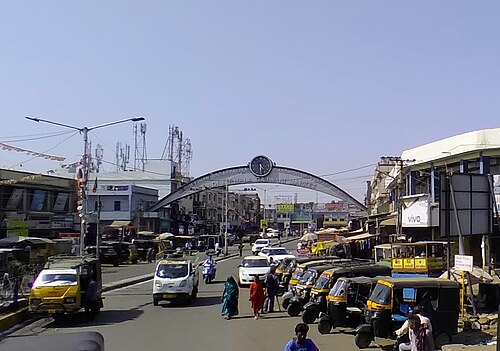
Gāndhīdhām is a city located in the Kutch district of the Indian state of Gujarat. Founded on 18 April 1951, the city was established by the Indian government as a rehabilitation center for refugees from Sindh, which is now part of Pakistan, following the partition in 1947. The name Gāndhīdhām honors Mahatma Gandhi, reflecting the city's values of peace and resilience. With a population of around 230,000, it has grown into an important commercial and industrial hub in the region, serving as a vital center for trade, commerce, and education.
The city's strategic location near the Gulf of Kutch provides it with significant advantages for maritime trade, and its infrastructure has been developed to support various industries, including textiles, chemicals, and engineering. Gāndhīdhām is known for its special economic zone (SEZ) and the Kutch Railway, which enhance connectivity and boost economic activities. The local economy is further supported by agricultural activities in the surrounding areas, where crops like cotton, groundnuts, and wheat are cultivated. Gāndhīdhām is also home to several educational institutions, promoting literacy and skill development among its residents.
Culturally, Gāndhīdhām is a melting pot, with a blend of communities that includes Sindhis, Gujaratis, and various other ethnic groups. This diversity is reflected in the city's festivals, cuisine, and traditions, making it vibrant and colorful. The city's architecture includes a mix of contemporary and traditional styles, with prominent landmarks such as the Bhadreshwar Jain Temple and the Gandhi Samadhi, which pay homage to the city's namesake. Overall, Gāndhīdhām embodies the spirit of progress and unity, making it a noteworthy destination in Gujarat's dynamic landscape.
Facts about Gāndhīdhām
- Gāndhīdhām was founded in 1950 by Shrimad Rajchandraji, and it was named in honor of Mahatma Gandhi, reflecting its significant cultural heritage.
- The city was established as a part of the Kutch district, which was devastated by an earthquake in 1956, leading to a massive resettlement effort.
- Gāndhīdhām is known for its unique architecture and planning, which was influenced by the need for rapid reconstruction after the 1956 earthquake.
- The city hosts the iconic 'Kutch Museum,' which is the oldest museum in Kutch, showcasing the region's rich history and cultural artifacts.
- Gāndhīdhām is notable for being a major center for the production of salt and is home to several salt pans, contributing significantly to India's salt industry.
- The city plays host to the annual 'Gandhidham International Kite Festival,' attracting enthusiasts from all over the country and abroad.
- Gāndhīdhām features a diverse population, with a significant presence of ethnic groups including Sindhis, Kutchis, and Gujaratis, making it a multicultural hub.
- The city is strategically located near the Gulf of Kutch, providing it with an advantageous position for trade and commerce, especially in industry and logistics.
- Gāndhīdhām has developed as an important industrial town, with industries ranging from textiles to chemicals, distinguishing it economically from many smaller towns.
- The town is connected by road and rail to major cities, yet retains a unique identity due to its planned layout and socio-economic developments post-independence.