Gandhinagar, India
- 195,985 people
- 13 places to visit
- 23.2156, 72.6369
Places to Visit (13)
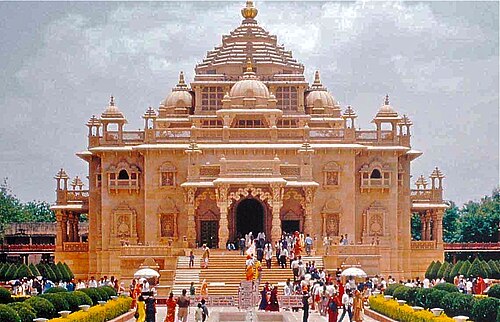
Gandhinagar, the capital city of the Indian state of Gujarat, is located on the western bank of the Sabarmati River, approximately 30 kilometers north of Ahmedabad. Established in 1960 as part of the planned development initiative following the reorganization of states in India, Gandhinagar was named after Mahatma Gandhi, the leader of the Indian independence movement. Designed by the architect H.K. Mewada, the city features a layout known for its modern infrastructure, green spaces, and wide roads. The city is characterized by its unique urban planning, which has designated numerous sectors for residential, commercial, and administrative purposes. It covers an area of around 57 square kilometers and has a population of over 200,000 residents, making it one of the rapidly growing urban areas in Gujarat.
Gandhinagar is renowned for its vivid contributions to education, culture, and governance. It houses several significant institutions, including the Gujarat National Law University and the Indira Gandhi National Open University. Additionally, the city is a hub for various government offices and serves as the center of state administration. One of Gandhinagar's most notable landmarks is the Akshardham Temple, an architectural marvel that attracts thousands of visitors each year with its intricate carvings and spiritual ambiance. The city's commitment to sustainability and technological advancement is reflected in its initiatives for infrastructure development, including improved transport systems and smart city projects. Events like the annual International Kite Festival, celebrated with enthusiasm, further highlight the city's cultural vibrancy. With its strategic location and progressive vision, Gandhinagar continues to play a pivotal role in India's economic and political landscape, blending tradition with modernity.
Facts about Gandhinagar
- Gandhinagar is the capital city of the Indian state of Gujarat and is unique for its planned layout, which was developed in the 1960s and designed by the architect H.K. Mewada.
- The city is named after Mahatma Gandhi, the leader of the Indian independence movement, and promotes his ideals through various institutions and memorials.
- Gandhinagar is home to the Akshardham Temple, one of the largest Hindu temples in the world, known for its intricate architecture and large cultural complex.
- The city is located on the banks of the Sabarmati River, providing a scenic landscape that is distinct from many other inland cities in India.
- Gandhinagar is known for its green spaces and is often referred to as one of the greenest cities in India, with numerous parks, gardens, and tree-lined avenues.
- The city hosts several important government institutions and offices, making it a significant political and administrative center in Gujarat.
- Gandhinagar is unique for its extensive use of modern technology in governance, particularly through initiatives like the 'Gandhinagar Smart City' project, which aims to improve urban infrastructure.
- The city has a vibrant cultural scene, with events like the International Kite Festival, which draws visitors from across the globe.
- Gandhinagar's architecture features a blend of modern and traditional styles, showcasing both glass buildings and structures inspired by ancient Indian architectural designs.
- The city is strategically located near the industrial hub of Ahmedabad, making it an important point for business and trade in the region.