Gandia, Spain
- 80,020 people
- 16 places to visit
- 38.968, -0.1845
Places to Visit (16)
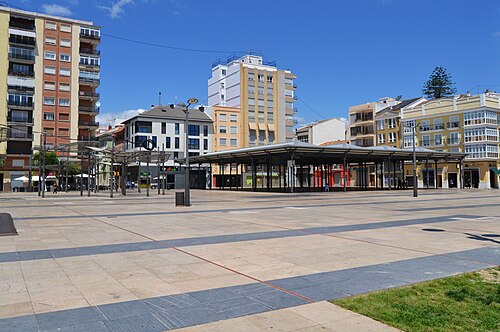
Gandia is a coastal city located in the province of Valencia, Spain, situated along the Mediterranean Sea. Known for its beautiful beaches, historical sites, and vibrant cultural life, Gandia is part of the autonomous community of Valencia. With a population of approximately 75,000 residents, it serves as an important urban center in the region. The city enjoys a Mediterranean climate characterized by hot summers and mild winters, making it a popular destination for both domestic and international tourists, especially during the summer months.
Historically, Gandia has roots that trace back to Roman times, although it flourished significantly during the Middle Ages, particularly under Muslim rule. The city features a rich architectural heritage, including the impressive Ducal Palace of the Borja family, which showcases Renaissance influences and reflects the powerful lineage that shaped the city’s history. The local economy is primarily driven by tourism, agriculture, and the service sector, with numerous hotels, restaurants, and recreational facilities catering to visitors. Festivals play a significant role in the cultural life of Gandia, with events such as Fallas, celebrated in March, and local patron saint festivities attracting crowds and showcasing traditional music, dance, and gastronomy.
The beaches of Gandia are among its main attractions, offering a mix of leisure and water sports, set against the backdrop of a beautiful coastline. The extensive sandy beaches, such as Playa de Gandia, are well-maintained and equipped with a variety of services, making them ideal for family outings and relaxation. In addition to beach activities, the surrounding natural areas, including the nearby Marjal de Gandia Natural Park, provide opportunities for hiking, birdwatching, and enjoying the region's biodiversity. With its blend of historical charm, natural beauty, and modern amenities, Gandia continues to be a captivating destination, drawing visitors who seek both leisure and cultural experiences in a charming Mediterranean setting.
Facts about Gandia
- Gandia is the birthplace of the famous author and poet, Jorge Ibarra, who is known for his contributions to Spanish literature.
- The city is home to the historic Ducal Palace of Gandia, a stunning example of Gothic architecture that served as a residence for the Borja family, including Pope Alexander VI.
- Gandia boasts beautiful, extensive beaches along the Mediterranean Sea, making it a popular coastal destination in the Valencian Community.
- The city hosts Las Fallas, a vibrant festival in March, known for its impressive sculptures and fireworks, which is a major cultural event in Valencia region.
- Gandia has a tradition of agriculture, particularly the cultivation of oranges, and is part of the wider Valencian orange-growing area known for its high-quality citrus fruits.
- The Collegiate Church of Gandia, known for its stunning baroque altarpiece, is a prominent landmark and reflects the city's rich religious heritage.
- The city is known for its historic Jewish quarter, which played a significant role in the history of the Jewish community in medieval Spain.
- Gandia has its own unique variant of the Valencian language, highlighting its distinctive cultural identity within the region.
- The city features the beautiful Marjal de Gandia Natural Park, a protected wetland area that is home to various species of birds and is excellent for eco-tourism.
- Gandia is recognized for its annual music festival, ‘Festival de Música de Gandia’, which attracts both local and international musicians, showcasing diverse genres.