Ganzhou, China
- 1,977,253 people
- 9 places to visit
- 25.8311, 114.9348
Places to Visit (9)
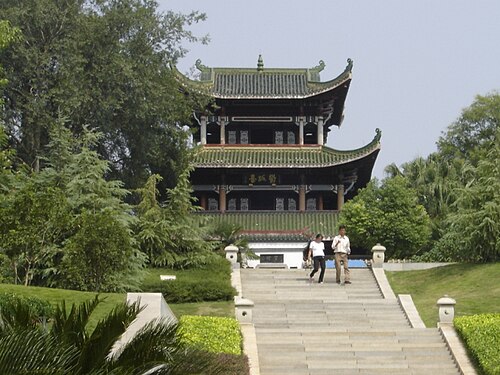
Ganzhou, located in the southeastern part of Jiangxi Province in China, is a city with a rich historical background and significant economic importance. Formerly known as "Kanchow," Ganzhou serves as an important administrative and cultural center. The city is situated along the Gan River, approximately 300 kilometers from the provincial capital, Nanchang. With a population exceeding 3 million residents, Ganzhou is one of the largest cities in Jiangxi and is known for its beautiful landscapes, characterized by mountains and rivers, which contribute to its appeal as a tourist destination. The city's history dates back over 2,000 years, highlighted by its role as a crucial area during various dynasties, including the Tang and Song.
Economic development has been robust in Ganzhou, particularly since the 21st century, marked by advancements in agriculture, manufacturing, and trade. The city is renowned for its production of tea, particularly green tea, and is often referred to as a vital agricultural hub in the region. Additionally, Ganzhou has been focusing on developing its mining and metallurgy industries, owing to its rich mineral resources, which include copper and rare earth elements. The local government has also been making strides to attract foreign investment and boost the manufacturing sector, particularly in electronics and machinery. Moreover, infrastructure improvements, such as the expansion of transportation networks and the establishment of high-speed rail links, have bolstered connectivity to other cities, enhancing trade and tourism.
Culturally, Ganzhou is notable for its deep-rooted traditions and customs that reflect the diverse history of the area. The city is home to several historical sites, including ancient temples, battlegrounds, and traditional architecture, which embody the intricate heritage of the Hakka and other ethnic groups. Annual festivals, such as the Lantern Festival and the Dragon Boat Festival, draw visitors and showcase the local arts, cuisine, and performances. Ganzhou’s commitment to preserving its cultural identity while pursuing economic growth exemplifies the balancing act many Chinese cities face today. As it continues to evolve, Ganzhou remains a city where history and modernity coexist, offering a unique perspective on the journey of contemporary China.
Facts about Ganzhou
- Ganzhou is known as the 'Hometown of the Hakkas', a distinct ethnic group in China with their own dialect and culture.
- The city was an important military and trade center in the Ming and Qing Dynasties, serving as a gateway to Southeast Asia.
- Ganzhou has a unique historical site called the 'Ganzhou Ancient City Wall', which dates back to the Ming Dynasty and is one of the few well-preserved city walls in Jiangxi province.
- It is home to the 'Northern and Southern Hakka Festival', which celebrates the rich cultural traditions and cuisine of the Hakka people.
- Ganzhou is famous for its production of 'Ganzhou Hairy Crab', a delicacy that attracts food enthusiasts from all over the country.
- The city is located near the Gan River, which has historically provided a vital transportation route and irrigation system for agriculture.
- Ganzhou's 'Zhanggong District' is renowned for its successful economic development and is often referred to as a model for urban planning in smaller cities.
- The city is rich in ancient stone inscriptions, including the famous 'Zhangmu Cave', known for its exceptional rock carvings and calligraphy.
- Ganzhou has been recognized as a National Historical and Cultural City by the State Council of China for its rich heritage and well-preserved historical sites.
- The city has a prominent educational aspect, being home to the 'Ganzhou Institute of Technology', which specializes in engineering and technology studies.