Gapyeong, South Korea
- 55,415 people
- 5 places to visit
- 37.8185, 127.4502
Places to Visit (5)
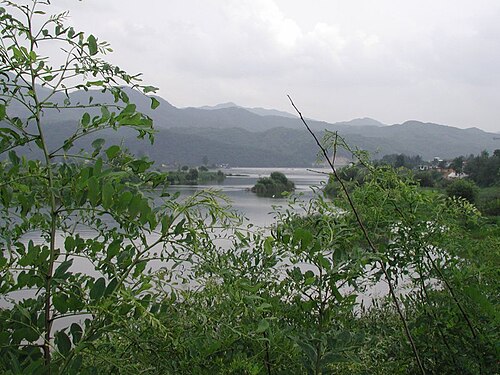
Gapyeong is a picturesque city located in Gyeonggi Province, South Korea, approximately 50 kilometers northeast of Seoul. Nestled in the foothills of the Taebaek Mountains, Gapyeong is renowned for its stunning natural landscapes, featuring lush mountains, serene lakes, and lush forests. The city covers an area of around 703 square kilometers and has a population of approximately 70,000 residents. Its proximity to the capital makes it a popular destination for both locals and tourists seeking a tranquil escape from the urban hustle and bustle. The region has a relatively mild climate, with four distinct seasons, attracting visitors year-round for various outdoor activities such as hiking, biking, and water sports.
In addition to its natural beauty, Gapyeong is home to several cultural and historical attractions. One of the city's highlights is Nami Island, a crescent-shaped isle famous for its tree-lined pathways and vibrant foliage, particularly during the autumn months. This small island, which can be easily accessed by ferry from Gapyeong, serves as a cultural hub, hosting art exhibitions, festivals, and various outdoor performances. Another notable site is the Garden of Morning Calm, a vast arboretum showcasing a diverse collection of plants and flowers in beautifully landscaped gardens. Gapyeong is also known for its rich cultural heritage, with several historical sites such as the Cheongpyeongsa Temple and various traditional Korean folk villages, which reflect the country's architectural and cultural history.
The city has experienced significant development in recent years, bolstered by improvements in transportation such as the introduction of the Gyeongchun Line railway and express bus services, making it more accessible from Seoul and other urban centers. This accessibility has spurred the growth of tourism and recreational facilities, including resorts, theme parks, and water sports centers along the Han River. The region's economy has diversified, with agriculture playing an essential role, particularly in the production of strawberries, grapes, and various vegetables. Overall, Gapyeong offers a unique blend of natural beauty, cultural richness, and modern amenities, making it an attractive destination for visitors looking to experience the charm of South Korea's countryside.
Facts about Gapyeong
- Gapyeong is renowned for its beautiful natural scenery, located in the Gyeonggi Province and surrounded by mountains, making it a popular destination for hiking and outdoor activities.
- The city is famous for the iconic Nami Island, a popular tourist attraction known for its tree-lined avenues and romantic landscapes, often featured in Korean dramas.
- Gapyeong has a historical significance as the site of the 1950 Battle of Gapyeong during the Korean War, where UN forces fought to hold the line against advancing North Korean troops.
- The city is home to the picturesque Petite France, a French-style cultural village and tourist attraction inspired by the French novel 'The Little Prince' by Antoine de Saint-Exupéry.
- Gapyeong hosts the Chuncheon International Mime Festival, which attracts performers and audiences from around the world, promoting the art of mime and physical theater.
- The city is known for its diverse range of festivals, including the Gapyeong Strawberry Festival, celebrating its strawberry farming heritage.
- Gapyeong's infrastructure includes the Gapyeong Rail Park, which offers a unique experience of cycling along a scenic railway route surrounded by nature.
- The city features the beautiful Homyeong Lake, a popular spot for water sports and leisure activities, further contributing to its outdoor tourism appeal.
- Gapyeong is also known for its various ecological parks, including the Dumulmeori Ecological Park, where the Bukhangang and Namhangang Rivers meet, providing stunning views and diverse wildlife.
- The city emphasizes green tourism, with numerous eco-friendly facilities and initiatives aimed at preserving its natural environment while promoting visitor engagement.