Garissa, Kenya
- 163,399 people
- 3 places to visit
- -0.4532, 39.6461
Places to Visit (3)
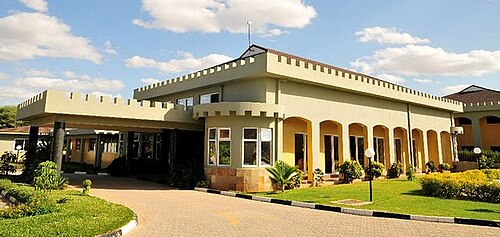
Garissa is the capital of Garissa County in northeastern Kenya, strategically located approximately 137 kilometers from the border with Somalia. As one of the oldest towns in the region, it plays a crucial role in the cultural and economic dynamics of northeastern Kenya. The city is primarily inhabited by the Somali ethnic group, with other communities such as the Pokomo and Orma residing in the area. The predominant language is Somali, although Swahili and English are also used, particularly in educational and governmental contexts. The climate in Garissa is characterized by arid conditions, with high temperatures year-round and a short rainy season, impacting local agriculture and livelihoods.
Economically, Garissa serves as a commercial hub for the surrounding pastoral communities. The city boasts vibrant markets where livestock, primarily goats and camels, are traded alongside agricultural products like sorghum and millet. Livestock farming is a significant part of the local economy, and many residents rely on this traditional way of life for their sustenance and income. In addition to agriculture and livestock trade, small-scale businesses, retail, and informal economies contribute to the region's financial activity. Garissa's proximity to Somalia also facilitates cross-border trade, although this is sometimes affected by security concerns linked to regional instability.
Infrastructure development in Garissa has been a focus for the Kenyan government, aiming to enhance accessibility and connectivity within the region. Projects aimed at improving roads, healthcare, and education have been introduced to promote sustainable development. The city is serviced by the Garissa University, which contributes to higher education and skill development, fostering a better-qualified workforce. Despite facing challenges such as security issues related to terrorism, underdevelopment, and resource scarcity, Garissa remains a vital center for growth and cultural exchange in northeastern Kenya, reflecting the resilience and adaptability of its residents.
Facts about Garissa
- Garissa is the capital of Garissa County and serves as an important economic hub in northeastern Kenya, particularly for the Somali community.
- The city is known for its proximity to the Andado Salt Lakes, which are considered significant for local livelihoods and have the potential for salt production.
- Garissa hosts the Garissa University College, which was established in 2011 and has gained recognition for its diverse academic programs.
- During the colonial period, Garissa was a significant stopover for traders and travelers along the caravan routes that connected the interior of Kenya with the coast.
- The city has a culture that is heavily influenced by Somali traditions, evident in its festivals, cuisine, and social practices, distinguishing it from other Kenyan cities.
- Garissa is known for the annual Garissa International Trade Fair, which promotes trade and economic development in the region.
- The city has faced challenges related to security due to its location near the Somalia border, particularly following incidents of terrorism which have shaped its development and community resilience.
- The Tana River, one of the longest rivers in Kenya, runs close to Garissa, providing crucial water resources for agriculture and livestock grazing in the arid area.
- Garissa boasts unique wildlife, including the nearby wild reserves which are part of the Greater Tsavo ecosystem, attracting eco-tourism and conservation efforts.
- In recent years, Garissa has made strides in integrating technology into education and business, setting it apart from more traditionally developed cities in Kenya.