Gastonia NC, United States
- 74,543 people
- 14 places to visit
- 35.2622, -81.1871
Places to Visit (14)
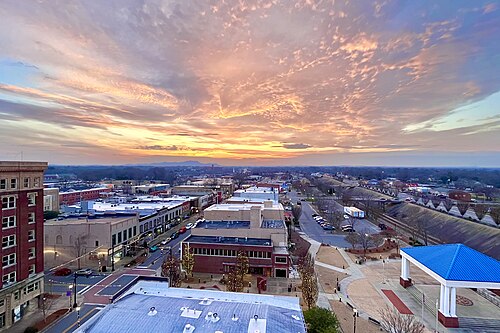
Gastonia is a city located in Gaston County, North Carolina, situated approximately 20 miles west of Charlotte. As the largest city in the county, it serves as a key commercial and cultural hub in the region. Founded in 1877, Gastonia emerged during the post-Civil War economic boom, initially thriving on textile manufacturing due to its well-established access to cotton production. This industrial base led to significant growth throughout the late 19th and early 20th centuries, and many historic textile mills still dot the landscape today, serving as a reminder of the city’s industrial heritage.
Modern-day Gastonia is known for its blend of suburban living and urban amenities. The city boasts a population of around 80,000 residents as of the 2020 census, reflecting steady growth driven by its proximity to Charlotte and the competitive cost of living. Gastonia features a variety of parks and recreational facilities, including the acclaimed Crowders Mountain State Park, which offers hiking, rock climbing, and scenic views of the surrounding landscape. The city is also home to a rich cultural scene, including art galleries, museums, and community events that cater to diverse interests. Economically, Gastonia has diversified beyond textiles, with sectors such as healthcare, retail, and logistics emerging as significant contributors to the local economy.
Education in Gastonia is provided by Gaston County Schools, which includes numerous elementary, middle, and high schools, as well as several higher education institutions within the surrounding area. The city is also known for its community engagement and civic organizations, fostering an inclusive environment for residents. Overall, Gastonia combines its historical roots with modern growth, offering a vibrant community that balances the charm of small-town life with the conveniences of urban living. As the city continues to evolve, it seeks to preserve its heritage while adapting to the changing needs of its population, making it a noteworthy place in the greater Charlotte metropolitan area.
Facts about Gastonia
- Gastonia is known as the 'City of Arts' and has a rich cultural scene, with institutions like the Gaston County Museum and the Schiele Museum of Natural History.
- The city was a major textile manufacturing center in the early 20th century, playing a significant role in the American textile industry, which has left a lasting impact on its economy and culture.
- Gastonia is home to the historic 1900s-era Loray Mill, which is one of the largest and oldest textile mills still standing in the Southern United States, now transformed into a mixed-use development.
- The city played a pivotal role in the 1929 textile strike, one of the most significant labor conflicts in American history, which drew national attention to labor rights and working conditions.
- Gastonia has an extensive greenway system, including over 20 miles of walking and biking trails that connect various parks and natural areas in the city.
- The city is the birthplace of famous country music singer and songwriter, Earl Thomas Conley, who has had several chart-topping hits throughout his career.
- Gastonia hosts the annual ‘Gastonia Grizzlies' baseball games and is home to the team's distinctive mascot, 'Grizz,' known for engaging with fans and promoting community spirit.
- The city celebrates its rich history with the annual 'Gaston Day' event, which honors the heritage and contributions of the Gastonia area and its residents.
- Gastonia is strategically located near major highways and interstates, providing easy access to nearby cities like Charlotte and the scenic Blue Ridge Mountains.
- The city has a growing craft brewing scene, with several local breweries contributing to the state's reputation as a leader in craft beer production.