Gatineau, Canada
- 242,124 people
- 10 places to visit
- 45.4765, -75.7013
Places to Visit (10)
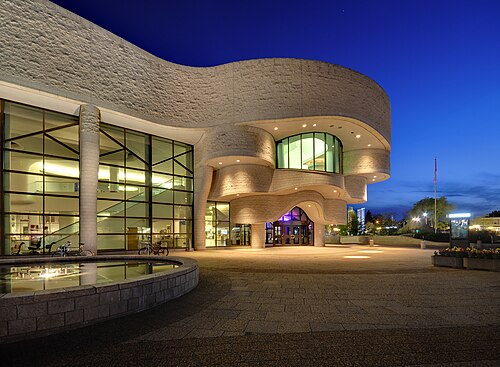
Gatineau is a city located in western Quebec, Canada, directly across the Ottawa River from the national capital of Ottawa. It is part of the Outaouais region and serves as one of the key urban centers in the province. The city was officially constituted in 2002 through the amalgamation of several municipalities, including Gatineau, Hull, and others. With a diverse population exceeding 300,000 residents, Gatineau is the fourth largest city in Quebec. Its strategic location near Ottawa allows for seamless interaction between the two cities, making it an attractive area for both business and tourism.
Gatineau boasts a rich cultural heritage and is home to several historical and recreational attractions. The Canadian Museum of History, situated on the banks of the Ottawa River, is one of the city’s most prominent landmarks and features extensive exhibits on Canadian history and culture. The city is also known for its vast green spaces and parks, with Gatineau Park being a significant natural attraction that provides opportunities for outdoor activities like hiking, cycling, and skiing. The park covers over 36,000 hectares and offers stunning views, making it a popular destination for both locals and visitors.
The economy of Gatineau benefits from a mix of public sector jobs, given its proximity to the federal government in Ottawa, and a growing technology sector. The city is actively working to enhance its economy by attracting new businesses and investments, particularly in areas such as information technology and sustainable development. Gatineau also celebrates its cultural diversity through various festivals and events throughout the year, including the Gatineau Hot Air Balloon Festival and the Ottawa-Gatineau International Jazz Festival. With its unique blend of urban living, cultural richness, and natural beauty, Gatineau continues to evolve as a vibrant community within the greater Ottawa-Gatineau metropolitan area.
Facts about Gatineau
- Gatineau is home to the Canadian Museum of History, which is the most visited museum in Canada, attracting over a million visitors annually.
- The city was originally established in 1800 as a lumber town, capitalizing on its location along the Ottawa River and the abundant forests in the region.
- Gatineau Park, located within the city limits, is one of the largest urban parks in North America, covering over 361 square kilometers and offering numerous recreational activities.
- The city is known for the unique cultural event called 'Gatineau Hot Air Balloon Festival,' which features hot air balloon rides, music performances, and activities for all ages.
- Gatineau's annual Winterlude festival, in collaboration with Ottawa, celebrates winter with ice sculptures, skating on the Rideau Canal, and various winter activities.
- The city of Gatineau was formed in 2002 through the amalgamation of five previously independent municipalities, significantly increasing its population and area.
- The city's name, Gatineau, is derived from the Gatineau River, which itself was named after the French explorer Philippe de Catineau in the 18th century.
- Gatineau is part of the National Capital Region, which means it shares a close relationship with the city of Ottawa, allowing residents and visitors access to a wealth of cultural and national institutions.
- The city boasts a strong sports culture, being home to the Gatineau Olympiques, a junior ice hockey team that competes in the Quebec Major Junior Hockey League.
- Gatineau's economy is diverse, with significant sectors including public administration, technology, and tourism, distinguishing it from many other Canadian cities reliant on single industries.