Gaza, Palestine
- 410,000 people
- 10 places to visit
- 31.5016, 34.4667
Places to Visit (10)
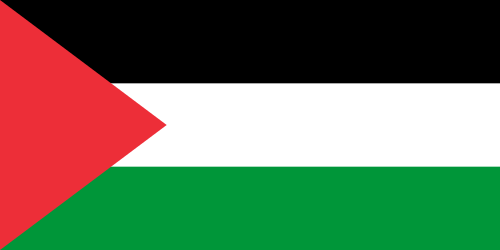
Gaza, a city located in the Gaza Strip, is a significant urban center in the Palestinian territories, bordered by Israel to the north and east, and Egypt to the southwest. Covering an area of approximately 45 square kilometers, it is one of the most densely populated cities in the world, with a population exceeding 500,000 residents. Gaza's history dates back thousands of years, making it one of the oldest cities continuously inhabited. It has been an important trading port throughout various periods, from ancient Egyptian times through the Romans and into the Islamic period. The remnants of its rich history are evident in various archaeological sites and historical landmarks, including the Great Mosque of Gaza and the ruins of ancient Roman theaters.
Today, the city faces significant challenges due to ongoing political conflict, economic hardship, and blockades that have severely limited trade and movement. Since the Israeli disengagement from Gaza in 2005 and subsequent conflict, the city has struggled with a high unemployment rate and a lack of essential resources, including electricity, clean water, and adequate healthcare. The impact of repeated conflicts has also led to extensive damage to infrastructure. Despite these difficulties, the people of Gaza exhibit resilience, maintaining vibrant cultural expressions and community initiatives. The universities, markets, and cafés in the city symbolize the persistence of life and identity in a context marked by adversity. International efforts continue to focus on addressing humanitarian needs, promoting peace, and facilitating economic development in the region, but the path forward remains complex and fraught with challenges.
Facts about Gaza
- Gaza is one of the oldest inhabited cities in the world, with a history that dates back over 4,000 years.
- The city is home to the ancient site of the Great Mosque of Gaza, which dates back to the 7th century and is considered an architectural masterpiece.
- Gaza's strategic location along the Mediterranean Sea made it a pivotal point for trade and military powers throughout history, including the Egyptians, Romans, and Ottomans.
- The Gaza Strip, of which the city is the largest urban center, is a densely populated area, one of the most densely populated places in the world, with over 2 million residents.
- Gaza has a unique cultural heritage that features a mix of various influences, including Egyptian, Roman, Arab, and Ottoman, which is reflected in its art, cuisine, and architecture.
- The city’s most famous landmark is the Gaza port, which has been in use for thousands of years and is currently being used for fishing and trade.
- Gaza has a rich tradition of folk music, and the city hosts several cultural festivals that celebrate Palestinian identity and heritage.
- The city has a famous textile industry, historically known for producing high-quality fabrics, particularly in the form of traditional dresses called 'thobes'.
- Gaza is known for its ancient mosaic art, with significant archaeological discoveries revealing intricate designs that reflect the region's diverse history.
- The city has been the focus of various peace negotiations and international attention due to ongoing conflicts, making it a symbolic center for discussions on Palestinian statehood.