Gdańsk, Poland
- 461,865 people
- 17 places to visit
- 54.352, 18.6466
Places to Visit (17)
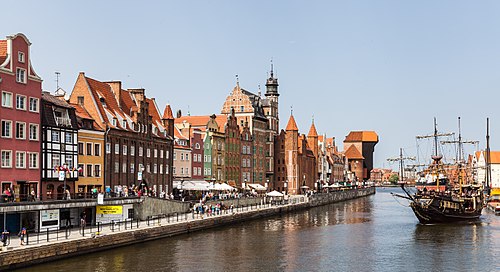
Gdańsk, a port city on the Baltic coast of Poland, is known for its rich history, vibrant culture, and significant economic role. The city was founded in the 10th century and has a storied past that includes periods of rule by the Polish, Teutonic Knights, and Prussians. Gdańsk played a pivotal role in the Hanseatic League, which established it as a major trading hub in medieval Europe. Today, the city's historical significance is reflected in its architecture, including the iconic Gothic-style St. Mary's Church, one of the largest brick churches in the world, and the beautifully reconstructed historic Old Town, which features colorful facades and cobbled streets. The city was also the site of pivotal events during World War II, including the opening battles of the conflict, and it is home to the European Solidarity Centre, which commemorates the Solidarity movement that contributed to the fall of communism in Poland.
Gdańsk is not only a historical gem but also a thriving cultural center. The city hosts numerous festivals, art exhibitions, and performances, emphasizing its diverse cultural heritage, which blends influences from various eras and traditions. The city's maritime setting lends itself to a rich maritime culture, with attractions such as the National Maritime Museum and picturesque waterfront promenades. Gdańsk's economy is bolstered by its strategic location as a major seaport, facilitating trade and maritime industries. The presence of shipyards, including the famous Gdańsk Shipyard, which played a crucial role in the development of modern shipbuilding and as a center for political movements in the 1980s, underscores the city’s industrial significance. As a vibrant university town, Gdańsk also attracts students and scholars, contributing to its dynamic atmosphere. With its blend of historical depth and modern vitality, Gdańsk continues to be a popular destination for tourists and a key player in Poland's cultural and economic landscape.
Facts about Gdańsk
- Gdańsk is the birthplace of the Solidarity movement, which played a crucial role in the fall of communism in Poland and Eastern Europe in the 1980s.
- The city features the iconic Gdańsk Crane, one of the largest medieval cranes in Europe, which dates back to the 15th century and was used for loading and unloading cargo ships.
- Gdańsk has a unique position as a port city on the Baltic Sea, making it a significant center for trade and shipbuilding throughout history.
- The Main Town Hall of Gdańsk houses an impressive collection of historical artifacts and features a notable astronomical clock.
- Gdańsk is home to St. Mary's Church, one of the largest brick churches in the world, capable of accommodating up to 25,000 people.
- The city was heavily influenced by German culture due to its history as part of the Hanseatic League and its various rulers over the centuries.
- Gdańsk is famous for its beautiful architecture, including its colorful facades and the Gothic-style St. Mary's Basilica, which attracts many tourists.
- The city hosts the European Solidarity Centre, dedicated to the history of the Solidarity movement and the fight for democracy in Poland.
- Gdańsk's Long Market (Długi Targ) is lined with historical buildings, quaint shops, and eateries, making it a popular tourist destination and a perfect spot for cultural events.
- The city celebrates the St. Dominic's Fair, one of the oldest and most significant trade and cultural events in Poland, attracting artists and merchants from all over Europe.