Geertruidenberg, Netherlands
- 20,941 people
- 7 places to visit
- 51.7024, 4.85
Places to Visit (7)
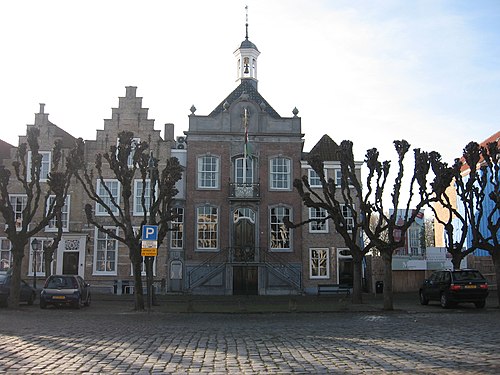
Geertruidenberg is a municipality and a city located in the province of North Brabant in the southern Netherlands. Known for its rich history, Geertruidenberg is one of the oldest settlements in the region, with origins dating back to the early medieval period. The city, named after Saint Gertrude of Nivelles, received its official city rights in 1283, although its history as a settlement can be traced back even further through archaeological finds. Geertruidenberg is characterized by its well-preserved medieval architecture, quaint streets, and significant historical landmarks, making it an attractive destination for both locals and tourists.
The city is situated along the banks of the river Mark and lies in close proximity to larger urban centers like Breda and Tilburg. Geertruidenberg played a strategic role in Dutch history, particularly during the Eighty Years' War, and served as a fortified town. One of its most notable structures is the St. John the Baptist Church, a Gothic-style building that features stunning architectural elements from various periods. The town is also home to numerous museums and cultural sites that highlight its history, including the Municipal Museum, which showcases artifacts ranging from the Middle Ages to modern times. The scenic surroundings offer opportunities for outdoor activities, such as cycling and walking along designated pathways that connect to the nearby countryside.
In contemporary times, Geertruidenberg has maintained its small-town charm while integrating modern amenities. The municipality is actively involved in promoting sustainability and environmental awareness. The local economy is diverse, with a mix of small businesses, agriculture, and service industries contributing to its growth. Annual events and festivals celebrate local culture, drawing visitors and fostering community spirit. Overall, Geertruidenberg represents a unique blend of historical significance and modern living, making it a noteworthy location in the Netherlands.
Facts about Geertruidenberg
- Geertruidenberg is one of the oldest cities in the Netherlands, with a history dating back to the Roman era.
- The city is known for its well-preserved medieval architecture, including the old city walls and several historic buildings.
- Geertruidenberg is home to the unique Geertruidenberg Mill, a working windmill that is a symbol of the city's agricultural heritage.
- The city celebrates its annual 'Willem van Oranje Festival,' which honors William of Orange and the role the area played in the Dutch Revolt.
- Geertruidenberg has a rich maritime history and was once a significant port town, experiencing growth during the Middle Ages.
- The city is located at the confluence of the rivers Mark and Donge, making it a picturesque spot for water-related activities.
- Geertruidenberg's Grote Kerk features a stunning tower and beautiful stained glass windows, attracting architecture enthusiasts.
- The city's unique name is derived from Saint Gertrude, and her influence is commemorated in local traditions and events.
- Geertruidenberg is part of the municipality of Geertruidenberg, which was created in 1997 when several smaller municipalities were merged.
- The city is involved in sustainability initiatives, striving to preserve its historic areas while promoting modern ecological practices.