Geilenkirchen, Germany
- 28,334 people
- 7 places to visit
- 50.9717, 6.1196
Places to Visit (7)
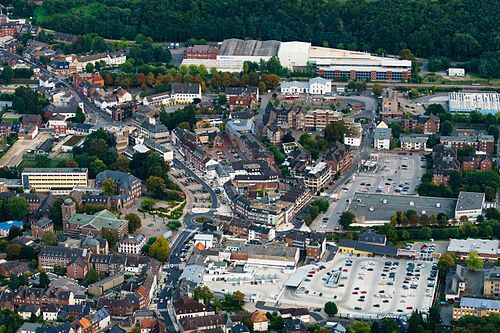
Geilenkirchen is a town located in the North Rhine-Westphalia region of Germany, specifically within the district of Heinsberg. Situated approximately 20 kilometers northwest of Aachen and near the borders with the Netherlands, Geilenkirchen is characterized by its strategic location in the Lower Rhine area. The town covers an area of about 47 square kilometers and has a population of approximately 28,000 residents. Geilenkirchen operates under a mayor-council government system, with local politics influenced both by historical factors and its proximity to international borders.
Historically, Geilenkirchen dates back to the Middle Ages, with the earliest records mentioning the settlement in the 14th century. Over the centuries, the town has been shaped by agricultural development and its position along European trade routes. A significant event in its history occurred during World War II when Geilenkirchen was a primary target during the Allied bombings, resulting in extensive destruction. Post-war reconstruction saw the town grow and modernize, and in recent years, Geilenkirchen has been known for its diverse community, which includes a significant presence of NATO military personnel due to the strategically important NATO Air Base located in the town.
Geilenkirchen boasts various cultural and recreational activities, including local festivals, parks, and sports clubs, reflecting its vibrant community spirit. The town's cultural life is enriched by historical landmarks, such as the Church of Saint John the Baptist, which showcases Gothic architecture and acts as a focal point for local heritage. Additionally, Geilenkirchen's proximity to the Netherlands allows residents and visitors to easily explore the cross-border cultural influences. With a blend of historical significance and contemporary amenities, Geilenkirchen is an intriguing destination within Germany that offers a unique perspective on regional development, community life, and international relations.
Facts about Geilenkirchen
- Geilenkirchen is home to the NATO Air Base, which plays a strategic role in air defense and international military cooperation.
- The city features the historic St. Martin's Church, which dates back to the 12th century and showcases impressive Romanesque architecture.
- Geilenkirchen is located close to the Dutch border, making it a significant location for cross-border trade and cultural exchange between Germany and the Netherlands.
- The city hosts the annual 'Geilenkircher Löwenfest' (Geilenkirchen Lion Festival), celebrating local culture and community spirit with parades and events.
- Geilenkirchen offers a unique blend of traditional agriculture and modern industries, contributing to its diverse economy.
- The city has a rich history dating back to the Roman era, with archaeological findings indicating settlement as far back as the 1st century AD.
- Geilenkirchen's location in North Rhine-Westphalia places it in one of Germany's most populous and economically vibrant regions.
- The area around Geilenkirchen is known for its scenic landscapes, including parks and nature reserves ideal for outdoor activities.
- Geilenkirchen was significantly affected by World War II, leading to extensive rebuilding efforts in the post-war period, shaping its modern infrastructure.
- The city's community is known for its international character, with a diverse population that includes American, British, and Dutch residents due to the nearby military presence.