Gelsenkirchen, Germany
- 270,028 people
- 14 places to visit
- 51.5188, 7.0838
Places to Visit (14)
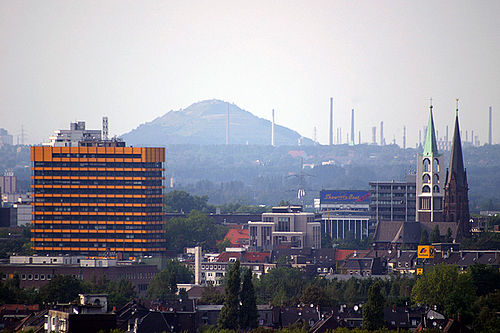
Gelsenkirchen is a city in the North Rhine-Westphalia region of Germany, situated in the heart of the Ruhr area, an industrial hub known for its rich history in coal mining and steel production. The city was officially founded in the early 19th century, but its roots trace back to the 10th century. Gelsenkirchen has undergone significant transformations over the decades, particularly in the post-World War II era when it shifted from a coal and steel-based economy to one focusing on services and technology. Today, the city is recognized for its diverse economy, which includes sectors such as healthcare, retail, and education, complemented by its strategic location within an extensive transportation network.
Gelsenkirchen is home to several cultural and recreational attractions that reflect its industrial past and modern aspirations. The city is famously associated with FC Schalke 04, one of Germany's premier football clubs, which fosters a passionate local fan base. The Veltins-Arena, a state-of-the-art stadium, serves as the home ground for the team and is renowned for its innovative retractable roof and atmosphere during match days. In addition to sports, Gelsenkirchen boasts cultural institutions like the Musiktheater im Revier, which offers a variety of performances, including opera, ballet, and musicals. The city also promotes green spaces, with its Botanical Garden providing residents and visitors a respite from urban life. As part of ongoing urban redevelopment initiatives, Gelsenkirchen continues to evolve, embracing sustainability and modern urban living while preserving its historical heritage.
Facts about Gelsenkirchen
- Gelsenkirchen is home to the famous FC Schalke 04, one of the oldest and most successful football clubs in Germany, known for its passionate fan base.
- The city is notable for its coal mining history and was once a major center for the coal and steel industries during the industrial revolution in the Ruhr area.
- Gelsenkirchen is the location of the ZOOM Erlebniswelt, a unique zoo that aims to recreate different ecosystems and habitats, providing an immersive experience for visitors.
- The city is known for the Jahrhunderthalle, a historic industrial hall that has been transformed into a cultural and event venue, reflecting the city’s industrial heritage.
- Gelsenkirchen is one of the few cities in Germany that has a dedicated science park, the 'Science Park Gelsenkirchen', fostering research and innovation in various fields.
- The city hosts the annual 'Schalke Open Air' event, turning the streets into a massive party with live music and activities, celebrating the local football culture.
- Gelsenkirchen is part of the 'Route of Industrial Heritage', showcasing the region's industrial legacy and contributing to its recognition as a UNESCO World Heritage site.
- The city's residential areas, like the major district of Buer, feature a mix of historic architecture and modern developments, reflecting its diverse urban landscape.
- Gelsenkirchen has a vibrant arts scene, including the Musiktheater im Revier, recognized for its innovative productions and contribution to performing arts in Germany.
- The city is also known for its botanical garden, the Bot. Garten Gelsenkirchen, which includes a tropical greenhouse and offers a peaceful retreat in the urban environment.