Gennevilliers, France
- 42,294 people
- 16 places to visit
- 48.9255, 2.2933
Places to Visit (16)
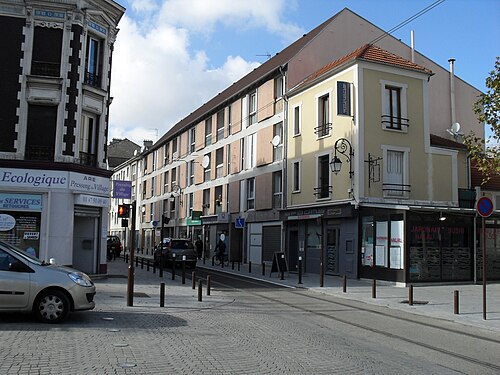
Gennevilliers is a commune located in the Seine-Saint-Denis department in the Île-de-France region of northern France, just northwest of Paris. It is part of the metropolitan area of the capital and lies approximately 8 kilometers from the center of Paris, making it a critical location for both residential and industrial purposes. Gennevilliers covers an area of about 3.3 square kilometers and has a population of around 45,000 residents, creating a densely populated urban environment. The town is connected to the greater Paris transit network by several modes of transportation, including the Paris Métro, buses, and the RER suburban train service, which facilitates easy access to the capital and surrounding areas.
Historically, Gennevilliers has its roots dating back to the medieval period, originally known for its agricultural activities. However, the commune underwent significant transformations during the industrial revolution, evolving into a hub of manufacturing and services. Today, Gennevilliers houses a variety of businesses, including logistics and technological firms, while also being recognized for its important role in the shipping and transport sector due to its proximity to the Seine River. As a diverse community, Gennevilliers showcases a mix of cultures and backgrounds, contributing to its vibrant local atmosphere. The town is also home to various educational institutions and green spaces, providing residents with ample recreational opportunities. With its strategic location, rich history, and dynamic community, Gennevilliers continues to play an important role in the social and economic landscape of the Île-de-France region.
Facts about Gennevilliers
- Gennevilliers is located in the department of Hauts-de-Seine, just northwest of Paris, making it part of the Île-de-France region.
- The city has a significant industrial history, with its economy historically based on manufacturing and logistics, unlike many other surrounding towns that are more residential.
- Gennevilliers is home to one of the largest urban parks in the Paris metropolitan area, the Parc des Chanteraines, which covers over 65 hectares.
- The city hosts the largest community of the Portuguese diaspora in France, making it a cultural hub for Portuguese heritage and celebrations.
- Gennevilliers is served by a unique tramway line, the T1, which connects it to other parts of the Île-de-France region, enhancing its public transport network in a way that many similar towns don't have.
- The town has a rich artistic scene with numerous theaters and cultural venues, including the Paul Éluard Theater, named after the famous Surrealist poet.
- Gennevilliers has been involved in innovative urban development projects, particularly with the development of eco-districts, positioning it as a leader in sustainable city planning.
- The city is notable for its multicultural environment, with residents from diverse backgrounds contributing to its vibrant community identity.
- Gennevilliers is less known for traditional tourism but has unique architectural landmarks like the Mill of Gennevilliers, a remnant of its rural past.
- Every year, Gennevilliers holds the Festival of the Arts, which showcases local talent and fosters community engagement through artistic expression.