Gera, Germany
- 104,659 people
- 10 places to visit
- 50.8851, 12.0807
Places to Visit (10)
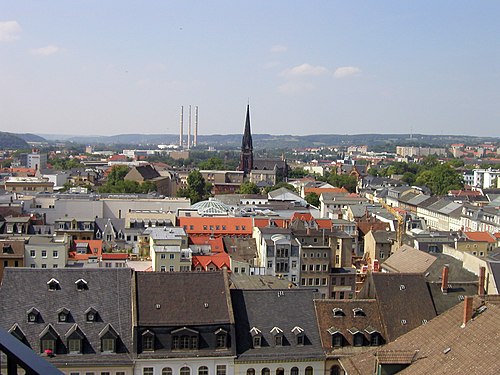
Gera is a city located in the Thuringia state of central Germany, known for its rich history and cultural significance. With a population of approximately 95,000 residents, Gera is the third-largest city in Thuringia, after Erfurt and Jena. The city is situated on the banks of the Weißer Elster River and is surrounded by picturesque hills and valleys, making it a scenic location. Gera's historical roots trace back to the 13th century when it was founded as a market town. Over the years, it evolved into an important center for trade, particularly in textiles and various crafts. This industrial focus was bolstered during the Industrial Revolution, positioning Gera as a prominent manufacturing hub.
Architecturally, Gera showcases a mix of styles, reflecting its diverse history. The city features impressive structures such as the majestic St. Elisabeth Church, which dates back to the 14th century, and the ornate Gera Theater, one of the oldest theaters in Germany. The Gera Art Museum also draws attention for its collection, which includes works from the Middle Ages to contemporary art. Gera is characterized by its numerous parks and green spaces, providing residents and visitors with opportunities for recreation and leisure. Despite facing economic challenges in the post-World War II era, particularly during the transition to a market economy following German reunification in 1990, Gera has made significant strides in revitalizing its economy and infrastructure.
Culturally, Gera is home to a vibrant arts scene, hosting various festivals and events throughout the year, including the Gera City Festival, which celebrates local traditions and performances. The city is also known for its strong educational institutions and a growing student population, contributing to its youthful and dynamic atmosphere. Additionally, Gera's central location makes it an ideal starting point for exploring the surrounding Thuringian region, known for its natural beauty and historical landmarks. Overall, Gera represents a unique blend of historical heritage, cultural vitality, and natural landscapes, making it an intriguing destination within Germany.
Facts about Gera
- Gera is home to the oldest surviving theater building in Thuringia, the Theater Gera, which dates back to 1786 and hosts a variety of performances including opera and drama.
- The city is renowned for its art collection, particularly the Gera Art Collection (Kunstsammlung Gera), which features significant works from the Romantic period and beyond.
- Gera was an important center during the Industrial Revolution in Germany, particularly for textiles and machinery, which set the stage for its economic growth.
- The city lies on the picturesque River White Elster and is part of the historical region of Thuringia, known for its scenic landscapes and medieval architecture.
- Gera has a unique architectural blend, with numerous buildings from the Wilhelmine period and post-war reconstruction, reflecting its tumultuous history.
- The Gera Zoo, established in 1957, is one of the city's key attractions and is known for its commitment to animal welfare and preservation of endangered species.
- Each year, Gera hosts the 'Geraer Stadtfest', a local festival that celebrates the city’s culture with music, food, and traditional crafts.
- The historical Gera Botanical Garden, founded in the early 20th century, showcases a diverse range of plant species and serves as a recreational area for residents and visitors alike.
- Gera was the birthplace of the famous German composer Otto Nicolai, who is best known for founding the Berlin Philharmonic orchestra and composing 'The Merry Wives of Windsor'.
- The city is known for its distinctive 'Gera-Sandal', a local handmade footwear style that has become a symbol of Gera's craft heritage.