Geseke, Germany
- 20,602 people
- 4 places to visit
- 51.6394, 8.5068
Places to Visit (4)
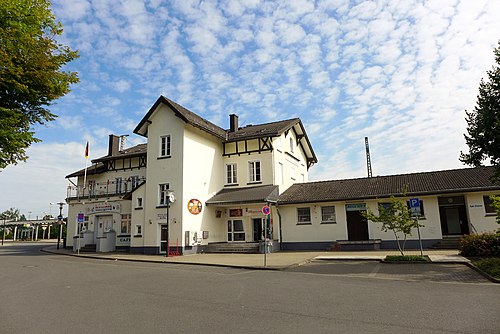
Geseke is a small town located in the North Rhine-Westphalia region of Germany, specifically in the district of Soest. With a history that dates back over a thousand years, Geseke's origins can be traced to its first mention in historical records in the year 1041. The town is characterized by its well-preserved medieval architecture and a blend of historical and modern amenities, making it a picturesque example of a traditional German settlement. It lies approximately 50 kilometers northeast of Dortmund and is conveniently situated near major transportation routes, enhancing its accessibility for both residents and visitors.
The town features a charming town center, where cobbled streets wind through a variety of shops, cafes, and restaurants. Notable attractions include the impressive St. Jacob's Church (Jakobskirche), which showcases Gothic architecture and is a central part of the town's cultural heritage. Geseke is also known for its historical remnants, including the old city walls and several other monuments that reflect its long-standing history. The surrounding countryside offers a range of outdoor activities, with opportunities for hiking and cycling in the beautiful natural landscapes typical of this region. With a population of around 15,000 residents, Geseke combines the tranquility of a small town with a rich historical backdrop, making it an appealing destination for those interested in exploring Germany's past.
In addition to its historical significance, Geseke has evolved into a vibrant community that embraces local events and festivals throughout the year, fostering a strong sense of identity among its residents. The town benefits from modern amenities, such as schools, healthcare facilities, and recreational options, ensuring a high quality of life for its inhabitants. The economy of Geseke is primarily based on small and medium-sized enterprises, with a growing emphasis on sustainability and innovation in local businesses. The combination of its historical charm, community spirit, and modern facilities makes Geseke a unique example of a German town that caters to both historical enthusiasts and those looking for a peaceful place to live.
Facts about Geseke
- Geseke is home to the ancient St. Jacob's Church, which dates back to the 13th century and features impressive medieval architecture.
- The city has a historically significant old town, featuring well-preserved half-timbered houses that showcase traditional Westphalian architecture.
- Geseke was once an important center for the textile industry in the 19th century, which significantly contributed to its economic development.
- The Geseke steeple, a prominent feature of the city skyline, was built in the 14th century and stands as a symbol of the city's rich history.
- Each year, Geseke hosts the popular 'Geseker Markttage' festival which celebrates local culture, crafts, and cuisine.
- The city's proximity to the Wittlager Dampfbahn, a historic steam railway, makes it an attractive destination for railway enthusiasts.
- Geseke features the unique 'Barkhausen Oak,' an ancient and monumental oak tree that is a natural heritage site and attracts visitors.
- The city has a well-developed system of walking and cycling trails, highlighting the beautiful natural environment surrounding Geseke, especially the nearby Eggegebirge hills.
- Geseke is known for its vibrant community life and maintains a strong commitment to environmental sustainability through various local initiatives.
- The local gymnasium, Gymnasium Nepomucenum, has earned a reputation for academic excellence and is one of the oldest schools in the region.