Gevelsberg, Germany
- 32,664 people
- 11 places to visit
- 51.3221, 7.3383
Places to Visit (11)
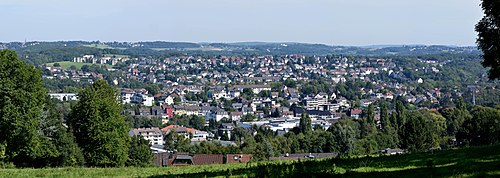
Gevelsberg is a small city located in North Rhine-Westphalia, Germany, part of the Ennepe-Ruhr district. With a population of approximately 30,000 inhabitants, it is situated at the confluence of three rivers—the Ennepe, the Volme, and the Giesenkirchen. This strategic location places Gevelsberg within the industrial heart of Germany and serves as a vital link in the transportation network, with easy access to nearby cities such as Wuppertal, Hagen, and Dortmund. The city's history dates back to the Middle Ages, with its first recorded mention in 1160, and it has evolved significantly over the centuries, transforming from a predominantly agricultural community to a center of industrial activity, particularly in textile and metal production.
Gevelsberg features a blend of historical and modern influences, with notable architectural landmarks including the Evangelische Stadtkirche, a Protestant church built in the early 19th century, and the remnants of its industrial past, which are now mixed with contemporary developments. The town center is characterized by its picturesque squares, shops, and cafes, fostering a vibrant local culture. Moreover, Gevelsberg is surrounded by green spaces and woods, providing residents and visitors alike with opportunities for outdoor recreation and leisure activities. The city promotes cultural and community events throughout the year, showcasing its regional heritage and connecting its residents through various social initiatives. As Gevelsberg continues to grow, it embraces both its rich history and the innovative spirit of modern Germany, making it a unique and appealing destination in the Ruhr area.
Facts about Gevelsberg
- Gevelsberg is known for its unique location at the confluence of the rivers Ennepe and Volme, which contributes to its picturesque landscape.
- The town has a rich industrial history, particularly in the mining and textile sectors, which shaped its economic development in the 19th century.
- Gevelsberg was granted the status of a town in 1894, but it has roots dating back to the 12th century, making it one of the older settlements in the region.
- The local St. Jacob's Church, constructed in the 14th century, is notable for its beautiful half-timbered architecture and serves as an important historical landmark.
- The town hosts the annual 'Gevelsberger Stadtfest,' a vibrant community celebration that showcases local culture, food, and music, drawing visitors from surrounding areas.
- Gevelsberg is part of the 'Sauerland' region, known for its scenic hills and outdoor recreational opportunities, including hiking and cycling trails.
- The town has a strong commitment to environmental sustainability, being recognized for its initiatives towards green urban planning and energy efficiency.
- Gevelsberg's diverse community is reflected in various cultural events and festivals, celebrating its multicultural heritage and promoting inclusivity.
- The area's economy today is diversified, with a mix of small businesses, services, and high-tech industries, distinguishing it from purely industrial towns.
- Gevelsberg maintains a dedicated local history museum that preserves and showcases the town's historical artifacts and narratives, providing insight into its past.