Ghardaïa, Algeria
- 142,913 people
- 6 places to visit
- 32.4944, 3.6445
Places to Visit (6)
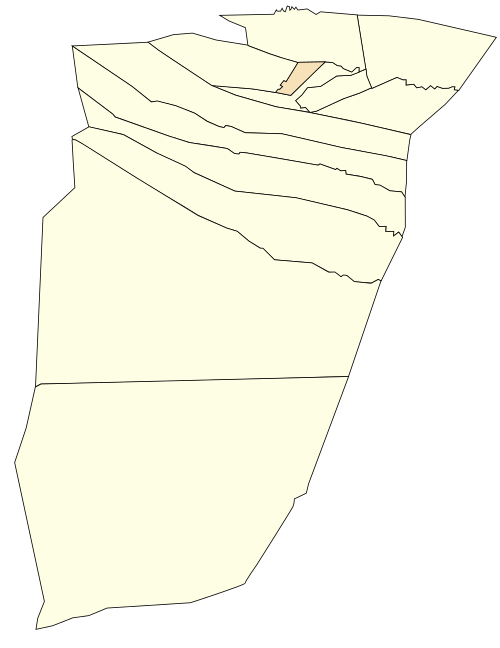
Ghardaïa is a city located in the M'zab Valley in northern Algeria, approximately 600 kilometers southeast of Algiers. It is the capital of the Ghardaïa Province and is renowned for its unique architecture and cultural significance. Established in the 10th century by the Ibadite Berbers, Ghardaïa is characterized by its distinctive medina, which is a UNESCO World Heritage Site. The city is built on a series of terraces, with whitewashed buildings that accentuate its stark desert landscape. The vibrant colors of its markets, particularly during the weekly souks, reflect the diverse local culture and traditions of the Mozabite people, who maintain their historical practices and customs.
Economically, Ghardaïa has developed around agriculture, particularly date palm cultivation and livestock herding, taking advantage of the oases in the region. The city’s strategic location along trade routes has also facilitated commerce, making it an important hub for the exchange of goods in the Saharan region. Alongside its economic activities, Ghardaïa is a center for Islamic scholarship and has several mosques and educational institutions that attract students from various parts of the country. The local population continues to engage in handicrafts, with traditional practices such as pottery, weaving, and metalwork still prevalent, helping to preserve the city’s rich cultural heritage.
Tourism in Ghardaïa is bolstered by its historical significance and natural surroundings, which include the stunning M'zab Valley, famous for its unique limestone formations and biodiversity. Visitors are drawn to the city's historical landmarks, including the Great Mosque of Ghardaïa, which showcases exquisite architecture and intricate craftsmanship. The lively atmosphere of the markets, where traditional crafts and local products can be found, adds to the charm of the city. Festivals and cultural events celebrate the Mozabite heritage, offering tourists a glimpse into the rich traditions of the region. Ghardaïa stands out not only for its architectural beauty and historical roots but also for its role as a living center of culture, tradition, and community in Algeria.
Facts about Ghardaïa
- Ghardaïa is the capital of the M'zab Valley, a UNESCO World Heritage site, recognized for its unique vernacular architecture and traditional way of life.
- The city is known for its distinctive pentagonally-shaped layout, which is designed for both aesthetics and the practicalities of desert living.
- Ghardaïa is the center of the Ibadite sect of Islam, which has a significant historical and cultural influence in Algeria.
- The region around Ghardaïa is famous for its craftsmanship, particularly in pottery, carpets, and jewelry, reflecting the rich cultural heritage of the Berber people.
- Ghardaïa hosts the annual date festival, celebrating local agriculture and the importance of dates in the region's economy and culture.
- The city’s architecture features traditional stone buildings and intricate patterns, setting it apart from the more modern designs found in other Algerian cities.
- Ghardaïa is strategically located in the Sahara Desert, making it a key trade and transit point between northern and sub-Saharan Africa.
- The local market (souk) in Ghardaïa is famous for its vibrant atmosphere, where visitors can find a variety of unique handmade goods and local produce.
- Ghardaïa's climate is characterized by extreme heat in the summer and mild winters, influencing the lifestyle and architecture of its inhabitants.
- The M'zab Valley, including Ghardaïa, showcases a social structure that emphasizes communal living and sustainable practices, making it unique in the modern context.