Ghāziābād, India
- 1,199,191 people
- 15 places to visit
- 28.6692, 77.4538
Places to Visit (15)
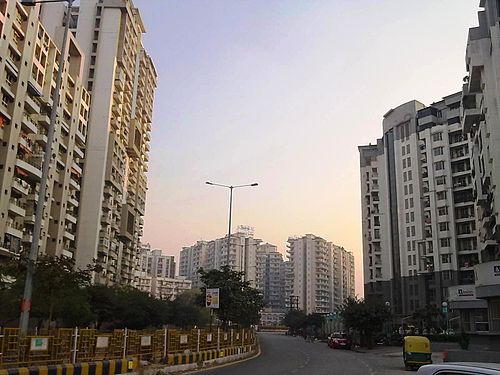
Ghāziābād is a prominent city situated in the northern Indian state of Uttar Pradesh, known for its rapid urbanization and strategic location adjacent to the national capital, New Delhi. Established in the 18th century, it was named after the Mughal governor Ghazi-ud-din. The city has transformed from a predominantly agricultural area into a significant industrial and commercial hub, boasting a diverse economy that includes sectors like manufacturing, IT, and retail. Renowned for its excellent connectivity, Ghāziābād is well-serviced by a network of roads, railways, and the Delhi Metro, which facilitates easy access to Delhi and the wider National Capital Region (NCR).
The demographic landscape of Ghāziābād is diverse, with a blend of cultures and communities contributing to its vibrant atmosphere. The city is home to a large population, making it one of the most densely populated regions in the country. Ghāziābād is also noted for its educational institutions, medical facilities, and recreational areas, alongside commercial centers and modern residential complexes. Several historical and cultural sites, such as the ancient temples and parks, enhance the city’s appeal, attracting both residents and tourists. However, the rapid growth has also brought challenges, including infrastructure strain and environmental concerns, which the local government is working to address through various urban planning initiatives. Overall, Ghāziābād exemplifies the dynamic evolution of Indian cities in the face of modernization and globalization.
Facts about Ghāziābād
- Ghāziābād is known as the 'Gateway to Uttar Pradesh' due to its proximity to Delhi, making it a crucial transit point for travelers and trade.
- The city is home to the historical 'Ghāziābād Fort', built in the 18th century by the local chieftain Ghazi-ud-Din, showcasing Mughal architectural influence.
- Ghāziābād hosts the annual 'Nirankari Samagam', which draws thousands of devotees and emphasizes social harmony and spiritual awakening.
- The city has a significant presence in the Indian manufacturing sector, being a hub for the production of engineering goods, electronics, and textiles.
- The 'Sanjay Gandhi Memorial Park' in Ghāziābād is one of the largest green spaces in the area, providing a recreational space that highlights the region's commitment to urban greenery.
- Ghāziābād is part of the National Capital Region (NCR) and boasts a rapidly growing infrastructure, including the Delhi Metro extension that connects it to the capital.
- The city is famous for its vibrant shopping centers, including the 'Ansal Plaza' and 'Kapoorthala Complex', which cater to a diverse range of consumers.
- In 2015, Ghāziābād became the first city in Uttar Pradesh to install 'smart traffic signals' as part of a smart city initiative aimed at improving urban mobility.
- The Parshvanath Temple in Ghāziābād is one of the largest Jain temples in Northern India, reflecting the city's cultural and religious diversity.
- Ghāziābād has a significant Sikh population, reflected in its numerous gurdwaras, including the famous 'Gurdwara Sangat Sahib', which serves as a spiritual hub for the community.