Ghazni, Afghanistan
- 141,000 people
- 1 places to visit
- 33.5471, 68.4221
Places to Visit (1)
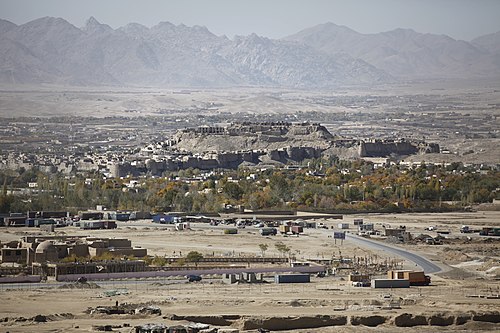
Ghazni is a city located in southeastern Afghanistan, serving as the capital of Ghazni Province. Historically significant, Ghazni has been a vital hub for trade and a strategic stronghold due to its location along the route connecting Kabul and Kandahar. The city’s origins trace back to ancient times, playing a crucial role during the Islamic conquests and later becoming a center for scholars, poets, and artisans during the medieval period, particularly under the rule of the Ghaznavid dynasty from the 10th to the 12th centuries. The city is renowned for its rich Islamic architecture, including the impressive minaret of Ghazni, which is a UNESCO World Heritage Site and reflects the city’s historical prominence.
In more contemporary times, Ghazni has faced significant challenges, particularly in the context of ongoing conflict in Afghanistan. The region has experienced periods of instability and violence, particularly in the last two decades, impacting its social and economic structures. Despite these challenges, Ghazni has continued to attract attention for its potential as a trade center due to its key geographic positioning. The local economy is primarily based on agriculture, with wheat, fruit, and livestock being significant contributors. Additionally, the city's diverse population includes Pashtuns, Hazaras, and Tajiks, which adds to its cultural richness, albeit alongside ethnic tensions that have been exacerbated by the conflict. Efforts have been made to restore essential services and infrastructure in Ghazni, but the ongoing strife remains a barrier to sustained development.
Facts about Ghazni
- Ghazni was the capital of the Ghaznavid Empire in the 10th and 11th centuries, which was a significant Islamic empire that extended into parts of South Asia.
- The city is home to the famous Minarets of Ghazni, which are considered a UNESCO World Heritage site and showcase intricate Islamic architecture from the 12th century.
- Ghazni is renowned for its rich history as a center of learning and culture during the Islamic Golden Age, attracting scholars, poets, and architects.
- The Ghazni province is notable for the historic Ghazni Fort, which has stood for centuries and played a pivotal role in various military campaigns throughout history.
- Ghazni has a unique geographical location as it sits on the ancient Silk Road, a trade route that facilitated commerce and cultural exchange between the East and West.
- The region is known for its vibrant traditional handicrafts, particularly in carpet weaving, which reflects local artistry and cultural heritage.
- Ghazni has experienced significant cultural events, including the annual Ghazni Cultural Festival, which celebrates the region's history, art, and traditions.
- The city has been a site of numerous historical battles, including the First Anglo-Afghan War in the 19th century, marking it as a strategic military location.
- Ghazni's diverse population includes various ethnic groups, contributing to its rich cultural tapestry, with Pashto and Dari being the predominant languages.
- It is less influenced by modern urbanization compared to other Afghan cities, preserving many aspects of its historical character and traditional lifestyle.