Gherla, Romania
- 23,741 people
- 9 places to visit
- 47.0318, 23.9093
Places to Visit (9)
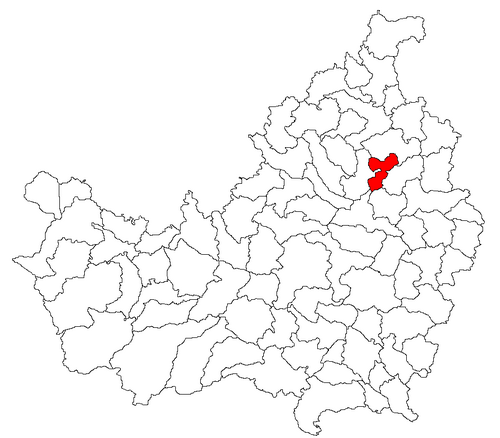
Gherla is a small city located in Cluj County, in the northwestern part of Romania. With a population of approximately 12,000 residents, Gherla is situated along the banks of the Someșul Mic River, about 40 kilometers east of the city of Cluj-Napoca, which is the main urban center in the region. The city has a rich history that dates back to Roman times, when it was known as "Potaissa." Archaeological evidence, including remnants of Roman fortifications and buildings, indicates that Gherla was an important military and administrative site in the Dacian-Roman province of Dacia.
In the 16th century, Gherla became a significant hub for the community of Greek-Catholic merchants and craftspeople, which contributed to its economic development. The town is known for its diverse architecture, which reflects its complex historical influences, primarily from Hungarian, Romanian, and German cultures. Among its notable landmarks is the Greek-Catholic Cathedral, built in the late 19th century, which showcases exquisite neo-Byzantine design. Gherla has also been home to a vibrant cultural scene, with various festivals and events celebrating local traditions, folklore, and crafts.
In modern times, Gherla serves as both an industrial and agricultural center, with a mix of factories and small businesses contributing to its economy. The city is also surrounded by picturesque landscapes, including hills and forests, which attract nature enthusiasts and hikers. Gherla provides a unique glimpse into the cultural tapestry of Romania, offering a blend of historical heritage and contemporary life, making it an interesting destination for visitors eager to explore beyond the more populous cities.
Facts about Gherla
- Gherla is known for its historical significance as a former center for the Romanian Greek-Catholic Church, contributing to the religious and cultural landscape of the region.
- The city was founded in the late 17th century and is home to a unique blend of Hungarian, Romanian, and German cultural influences, reflecting the diverse history of the area.
- Gherla is notable for its neo-Romanesque architecture, particularly the Gherla Catholic Cathedral, which stands as a prominent landmark.
- The city has a rich Jewish heritage, with a historical Jewish community that played a significant role in local commerce and culture, particularly before World War II.
- Gherla was once the site of a significant military fortress during the Austro-Hungarian Empire, which has shaped its historical development.
- One of Gherla's distinguishing features is its contribution to the production of ceramics and pottery, with local craftsmen known for their unique designs and techniques.
- The town hosts the annual Gherla Festival of Folklore, showcasing traditional music and dance, making it a cultural hub in the region.
- Gherla is located near the Somes River, providing picturesque landscapes and opportunities for outdoor activities uncommon in many other towns in Romania.
- The city played a key role during Romania's transition to democracy in the 1989 Revolution, with residents actively participating in protests against the communist regime.
- Gherla is home to the largest prison in Transylvania, which has a historical significance as a detention center during various political regimes in Romania.