Giannitsá, Greece
- 27,817 people
- 6 places to visit
- 40.7944, 22.4144
Places to Visit (6)
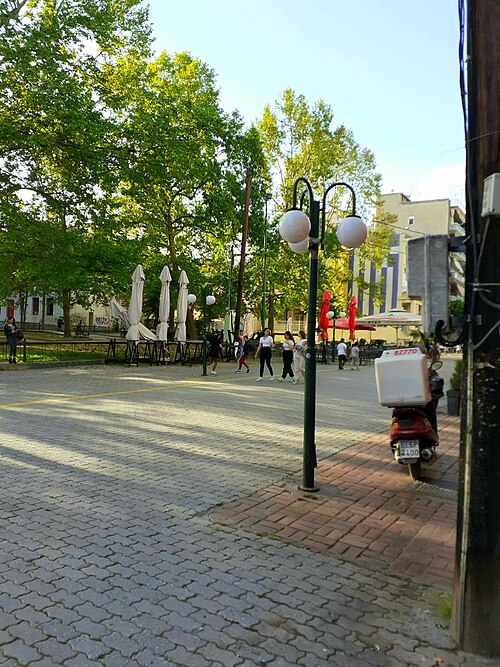
Giannitsá is a town located in the northern part of Greece, within the region of Central Macedonia. It serves as the capital of the Pella municipality and is situated approximately 30 kilometers northwest of Thessaloniki, Greece's second-largest city. The town boasts a rich historical background, intertwining ancient and modern influences. Its name is believed to be derived from the Turkish word "yanis," meaning "to live." Giannitsá was an important site during the Ottoman Empire and became notable for its diverse cultural heritage. The area around Giannitsá has displayed continuous human habitation since prehistoric times, with archaeological findings linking it to the ancient city of Pella, the capital of Macedonia and the birthplace of Alexander the Great.
Giannitsá is well-known for its numerous resources and agricultural contributions, primarily due to the fertile land surrounding it. The region's economy is heavily based on agriculture, with local farmers producing a variety of crops, especially tobacco and cotton. This agricultural prominence has shaped the local culture, with several traditional festivals celebrating the harvest and regional products taking place throughout the year. The town also serves as a commercial hub for the surrounding rural areas, hosting a range of markets and industries that reflect the local crafts and goods.
Aside from its economic significance, Giannitsá offers a blend of natural beauty and historical significance. The landscape is characterized by a mix of plains and hills, providing opportunities for outdoor activities and tourism. Nearby attractions include Lake Giannitsas, which is a refuge for many migratory birds and offers scenic views. In terms of historical sites, visitors can explore remnants of Byzantine and Ottoman architecture, including churches and traditional houses. The town has also produced several notable figures, including politicians, artists, and intellectuals who have contributed to Greek culture over the years. Overall, Giannitsá embodies a unique combination of tradition, agriculture, and history, making it an intriguing destination in Greece.
Facts about Giannitsá
- Giannitsá is known for its significant role in the Macedonian Struggle against Ottoman rule, serving as a vital center for the Greek nationalist movement in the late 19th and early 20th centuries.
- The city is home to the Battle of Giannitsá, which took place in 1912 during the Balkan Wars, marking a critical point in the Greek liberation from Ottoman control.
- Giannitsá boasts a unique cultural tradition with its annual festival that celebrates the local 'Karagöz' shadow theater, a form of traditional Greek puppetry.
- The region is famous for its onion production, specifically the Giannitsá onion, which is recognized for its superior taste and is an integral part of the local cuisine.
- Giannitsá has several archaeological sites, including ancient graves dating back to the Hellenistic period, showcasing the long history of human settlement in the area.
- The city features the Church of Saint George, an important landmark known for its impressive architecture and historical frescoes, reflecting Byzantine influences.
- Giannitsá is surrounded by fertile plains, making it a significant agricultural hub, especially known for its cotton and vegetable production, contributing to Greece's agricultural economy.
- The city has a historical connection with the famous Greek poet and revolutionary Aristotelis Valaoritis, who is celebrated for his influence on modern Greek literature.
- Giannitsá hosts a vibrant annual carnival, which includes various cultural events, traditional music, and folk dances, emphasizing the city's rich cultural heritage.
- The city is a gateway to the nearby Lake of Prespa, a significant natural area that hosts various migratory bird species, making it a popular spot for ecotourism.