Gibraltar, Gibraltar
- 26,544 people
- 17 places to visit
- 36.1408, -5.3536
Places to Visit (17)
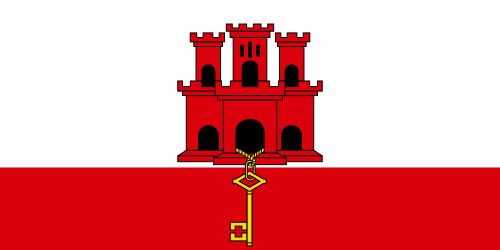
Gibraltar is a British Overseas Territory located at the southern tip of the Iberian Peninsula, bordered by Spain to the north and the Mediterranean Sea to the south. Often referred to simply as "The Rock," Gibraltar encompasses approximately 6.7 square kilometers and is known for its iconic limestone cliff that rises 426 meters above sea level. The territory has a population of around 34,000 residents, comprising a diverse mix of ethnicities and cultures, including British, Spanish, Italian, and North African influences. The official language is English, but many Gibraltarians are bilingual, speaking Spanish as well. Gibraltar is strategically important due to its position at the entrance to the Mediterranean Sea, making it a vital maritime chokepoint.
Economically, Gibraltar benefits from a mix of sectors, with financial services, shipping, and tourism playing significant roles in its GDP. The territory offers a favorable tax regime, attracting various businesses to establish their operations there. Tourism is bolstered by the natural and historical attractions of Gibraltar, including its famous Barbary macaques, St. Michael's Cave, and the Great Siege Tunnels. Visitors are also drawn to the historic architecture of the town, such as the Moorish Castle and the 18th-century citadel. The economy is further supported by the presence of a Royal Navy base and an airport that offers connections primarily to the British mainland.
Gibraltar maintains a unique political status as a British Overseas Territory, meaning it is self-governing in internal matters but relies on the United Kingdom for defense and international affairs. The territory has its own government, headed by a Chief Minister, while British sovereignty is maintained. Gibraltar’s residents voted overwhelmingly to remain British during a 2002 referendum that sought to change its status. Relations with Spain are complex due to territorial disputes, with Spain occasionally claiming sovereignty over the territory. This dynamic, however, has not hindered the everyday interactions between the people of Gibraltar and their Spanish neighbors, who often cross the border for work and leisure. The cultural richness, combined with geopolitical significance, makes Gibraltar a distinctive location in Europe.
Facts about Gibraltar
- Gibraltar is home to the famous Rock of Gibraltar, a 426-meter-high limestone promontory that is a key landmark and military stronghold with a rich history.
- The local population speaks a unique dialect known as Llanito, which blends English with Spanish, Italian, and other languages, reflecting the diverse heritage of the region.
- Gibraltar features a network of underground tunnels known as the Great Siege Tunnels, carved out during the Great Siege of Gibraltar (1779-1783) to defend the territory.
- The region is known for its Barbary macaques, the only wild monkeys found in Europe, which are a significant tourist attraction and a symbol of Gibraltar.
- Gibraltar has a strategic location at the entrance to the Mediterranean Sea, making it a key naval base and point of control during historical maritime conflicts.
- The territory is a British Overseas Territory, with a unique political status that includes a great deal of autonomy while still being under the sovereignty of the United Kingdom.
- Gibraltar hosts an annual International Circus Festival, one of the most prestigious circus festivals in the world, attracting performers and audiences from around the globe.
- The St. Michael's Cave, a stunning natural cavern within the Rock of Gibraltar, is known for its impressive stalactites and is used for concerts and events due to its natural acoustics.
- Gibraltar has a unique culture that blends British and Mediterranean influences, evident in its cuisine, architecture, and annual celebrations like the Gibraltar National Day.
- The Apes' Den, located in the Upper Rock Nature Reserve, is a designated area where visitors can see and interact with the famous Barbary macaques in their natural habitat.