Gifhorn, Germany
- 43,000 people
- 8 places to visit
- 52.4809, 10.5508
Places to Visit (8)
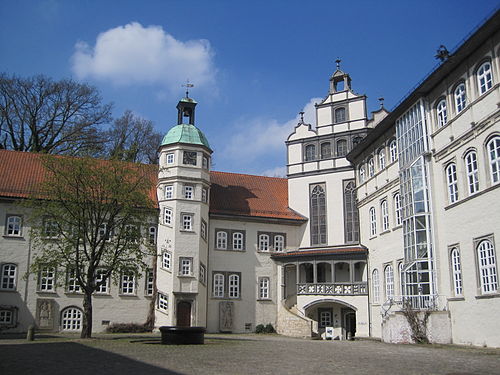
Gifhorn is a town located in Lower Saxony, Germany, approximately 20 kilometers northeast of Hanover. With a population of around 43,000 residents, it serves as the administrative center of the Gifhorn district. The town is characterized by its picturesque landscape, which is interspersed with numerous lakes, rivers, and parks, making it a popular destination for outdoor activities. The town's history dates back to the 12th century when it was first mentioned in historical documents. The name "Gifhorn" is derived from the Old German term for "gift" or "sacrifice," reflecting its early significance in local settlement patterns.
One of the most striking features of Gifhorn is its architectural heritage, particularly the Gifhorn Castle, which was constructed in the 16th century. The castle serves as a symbol of the town and houses several art exhibitions and cultural events. Another notable landmark is the International Wind and Watermill Museum, which showcases over a dozen historical wind and watermills from various countries, illustrating the town's rich industrial history related to milling and energy production. Gifhorn is well-connected by road and rail, facilitating easy access to larger cities nearby and making it an attractive residence for commuters.
Culturally, Gifhorn hosts various festivals and events throughout the year, strengthening its community spirit. Its diverse demographic composition is reflected in the array of cultural offerings, including concerts, art exhibitions, and local markets. The town is also known for its strong educational institutions, including primary and secondary schools, as well as vocational training centers. This commitment to education prepares the younger generation for future careers and contributes to the overall quality of life in the region. With its combination of historical significance, cultural richness, and natural beauty, Gifhorn stands as a charming and vibrant town within Lower Saxony.
Facts about Gifhorn
- Gifhorn is known for its unique 'Wishing Well', which is one of the few wells in Germany that allows visitors to throw coins for good luck while also providing free drinking water.
- The city is home to the International Wind and Watermill Museum, which showcases a collection of over 30 historic windmills and watermills, making it a unique destination for visitors interested in traditional engineering.
- Gifhorn's Marktstraße features a distinctive blend of modern and half-timbered houses, exemplifying traditional Lower Saxony architecture alongside contemporary styles.
- The city is surrounded by the beautiful Gifhorn Lake, a popular spot for recreational activities such as walking, cycling, and water sports, attracting nature enthusiasts.
- Gifhorn hosts the annual 'Gifhorner Weihnachtsmarkt' (Christmas Market), which is known for its charming atmosphere and handcrafted goods, drawing visitors from nearby regions.
- The city played an important role during World War II as a logistics hub, with several prominent companies and factories supporting the war effort.
- Gifhorn is renowned for its artistic community, hosting various events and exhibitions that promote local artists, particularly at the Gifhorn Art Gallery.
- Every August, Gifhorn hosts the 'Gifhorn Castle Festival', a lively event featuring historical reenactments, artisan markets, and performances, celebrating the city’s heritage.
- Interestingly, Gifhorn has a connection to the fairytale 'Hansel and Gretel', as the Brothers Grimm visited the area and collectors have linked some local stories to their famous tale.
- The city has a unique geographical feature known as the 'Lüneburg Heath' nearby, offering picturesque landscapes that are rare in other urban areas in Germany.