Girga, Egypt
- 151,256 people
- 2 places to visit
- 26.3419, 31.8876
Places to Visit (2)
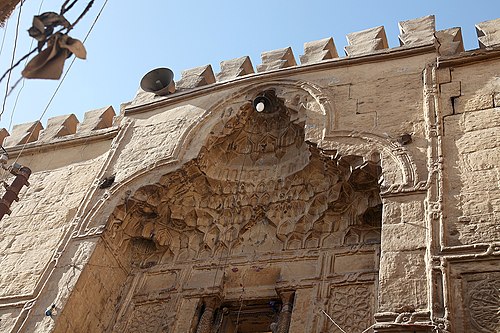
Girga is a city located in the Sohag Governorate in Upper Egypt, situated along the west bank of the Nile River. It serves as a significant urban center in the region and plays an essential role in the local economy, culture, and transportation networks. Girga is primarily known for its rich historical background, archaeological sites, and its role as a commercial hub. The city has a population of approximately 100,000 residents, making it one of the larger urban areas in the Sohag Governorate.
The history of Girga dates back to ancient times, with archaeological evidence suggesting that the area was inhabited during the Pharaonic period. Near the city, remnants of ancient temples and cemeteries have been discovered, reflecting its once-important status during various dynasties of Ancient Egypt. The modern city is characterized by its vibrant local markets, where artisans sell handcrafted goods, textiles, and traditional food items. The economy of Girga is largely based on agriculture, with the fertile lands around the Nile providing the means for cultivating crops such as wheat, corn, and sugarcane. Additionally, Girga serves as a crucial transit point, connecting other cities in the region through its road networks.
Culturally, Girga is notable for its diverse population, which includes various religious communities, primarily Muslims and Christians. This diversity is reflected in the city's architecture, festivals, and local customs, making it a microcosm of Egyptian society. The city celebrates traditional events and religious feasts, contributing to a rich cultural tapestry. Overall, Girga is an important historical and cultural center in Egypt, offering insights into the nation's past while continuing to play a vital role in the contemporary social and economic landscape of Upper Egypt.
Facts about Girga
- Girga is located in the Sohag Governorate and is one of the oldest cities along the Nile River in Upper Egypt.
- The city is known for its ancient archaeological sites, including remnants of Greco-Roman civilization, which set it apart from many other towns in Egypt.
- Girga has a rich Coptic Christian heritage and is home to several important churches and monasteries, contributing to its historical significance.
- The city's proximity to the ancient city of Tahta allows it to serve as a gateway for exploring nearby ruins and sites of historical importance.
- Girga is famous for its distinctive traditional pottery, which reflects the local culture and artisanal traditions passed down through generations.
- The Girga Museum houses artifacts from various eras, offering insights into the tapestry of Egyptian history that is unique to this region.
- Every year, Girga hosts the annual 'Girga Festival', celebrating local culture, music, and folklore, distinguishing it from other towns with their own regional festivals.
- The city's strategic location along the Nile has historically made it an important trade center, contributing to its economic significance in Upper Egypt.
- Girga is known for its unique local cuisine, with dishes and flavors that reflect the agricultural bounty of the surrounding region.
- The city is often referred to in historical texts as a site of diplomatic and commercial exchanges, particularly during the Islamic period, which highlights its historical trade significance.